
Boardwalk Evolution Seen Through Old Pavilion Layouts
Black-and-white photographs of the early 20th-century pavilion reveal a structural footprint that barely resembles the wood and concrete pathways modern visitors navigate today. While the salt air and…
By Shelly Winner, Editor
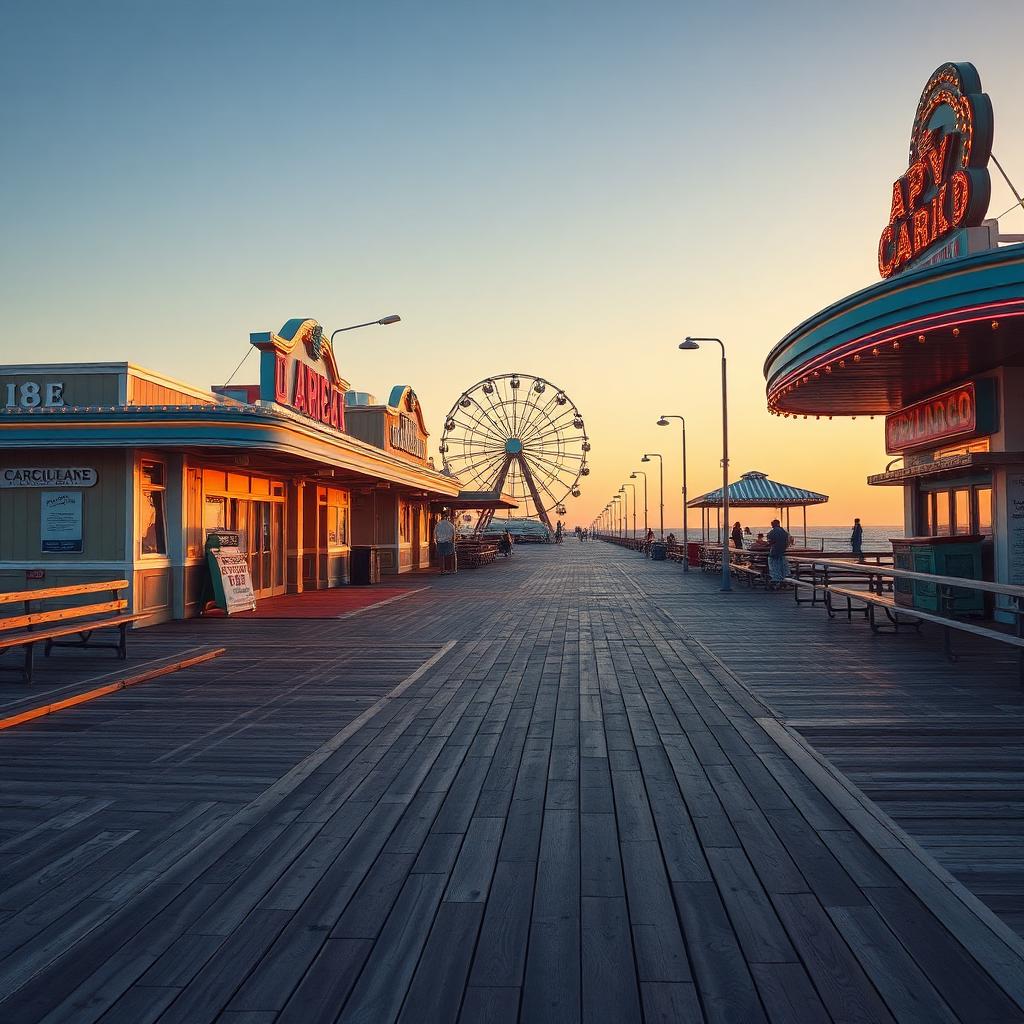
Black-and-white photographs of the early 20th-century pavilion reveal a structural footprint that barely resembles the wood and concrete pathways modern visitors navigate today. While the salt air and the sound of the Atlantic remain constant, the architectural skeleton of the boardwalk area has undergone a complete transformation across the decades [1].
For those who grew up visiting this stretch of the island, the changes are not just found in history books; they are etched into the memories of how families once moved from the street to the sand. The original pavilion served as a dense hub of activity, a concentrated architectural anchor that defined the local skyline long before the current, more sprawling layout took shape. By comparing archival images to the modern walkway, the shift from a singular, massive gathering point to a multi-tiered pedestrian experience becomes clear.
📸 Shifting Footprints Under the Planks
The early 1900s version of the boardwalk area was centered around a grand pavilion structure that dictated the flow of every visitor. Historically, this building was the literal and figurative heart of the beach experience, serving as a primary entrance for generations of families who arrived by rail or early automobile [1]. In these older snapshots, the boardwalk looks less like a long thoroughfare and more like a series of wide, wooden porches connected to a central hall.
Today’s architectural layout reflects a different priority: movement and visibility. Where the old pavilion once obstructed the view of the horizon to provide a sheltered social space, the modern design emphasizes an open-air connection to the ocean. Long-time residents often point out where specific pillars or foundations once stood, noting that the path they walk now was once the interior floor of a bustling dance hall or a shaded dining area.
🏔 A Shared Path for Generations
What makes this architectural history matter to the modern visitor is the invisible layer of continuity it provides. Even though the wooden planks have been replaced countless times and the buildings have changed their shapes, the physical path remains the primary artery for life on the island. Every family that stops to check their beach cart or shake sand out of a towel is standing on a spot that has served that exact purpose for over a hundred years.
By our read, the value of the boardwalk area isn't just in the current businesses or the ocean view, but in the specific way it connects the modern visitor experience to the past. Walking the planks in the cool October air allows for a clearer view of these structural shifts, as the summer crowds thin and the physical geometry of the area becomes more apparent to the naked eye.
Witnessing these changes firsthand provides a sense of perspective on how the island adapts to the times while keeping its core identity intact. The hidden history under the planks is a reminder that while the structures are temporary, the tradition of the walk itself is permanent.
What is the oldest version of the boardwalk you remember seeing?