
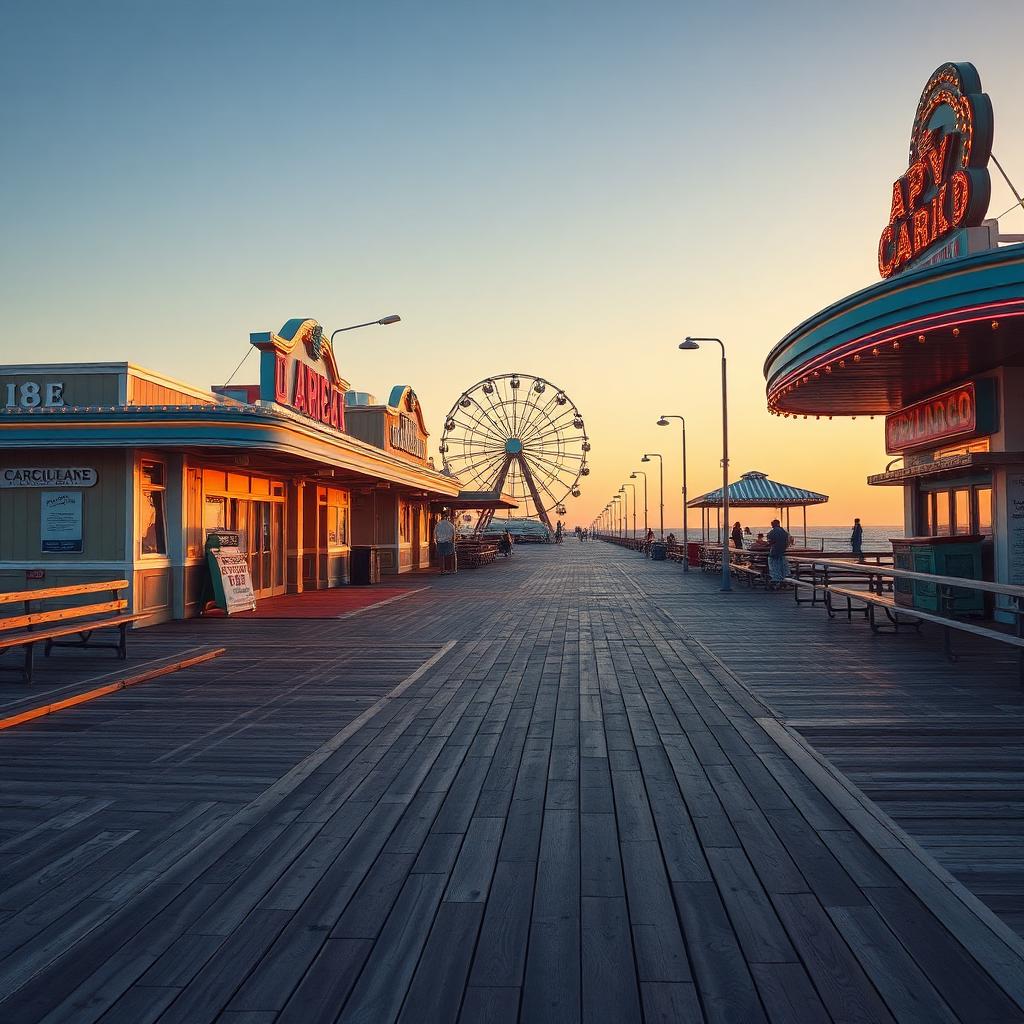
Boardwalk Footprints Reveal Decades of Coastal Evolution
The wood beneath your feet on the Carolina Beach Boardwalk is less of a static walkway and more of a living map that has been redrawn by high tides and heavy machinery for nearly a century. While the …
By Shelly Winner, Editor
The wood beneath your feet on the Carolina Beach Boardwalk is less of a static walkway and more of a living map that has been redrawn by high tides and heavy machinery for nearly a century. While the current planks feel permanent to those visiting for a November stroll, the footprint of this area is the result of a long-running cycle of architectural shifts and community-led rebuilding efforts.
Walking these boards today means retracing the exact steps of generations of island residents who faced the same Atlantic horizon. The physical history of the boardwalk isn't just about the wood itself, but the way the town has shifted its foundations to meet the changing needs of the coastline. These shifts represent a legacy of resilience that defines the local culture.
🏗 Architectural Foundations Over Time
The layout of the boardwalk area has undergone several major physical transformations since its earliest iterations. In the early decades of the twentieth century, the structures were designed with a different understanding of the shoreline. As storms or aging forced a change, the community didn't just replace boards; they re-evaluated how the space should interact with the sand and the nearby buildings.
By our read, the evolution of this footprint shows a move toward more deliberate community planning. What started as a simple means to navigate the dunes has become a sophisticated piece of coastal infrastructure. This transition reflects how the island has matured from a seasonal getaway into a year-round home for many, requiring a more durable and thoughtful design.
Many residents walk these boards daily without realizing they are retracing the steps of nearly a century of coastal evolution.
🌊 Resilience Under the Planks
For residents, the boardwalk area is a reminder that the island is always in motion. Every time the walkway was expanded or reinforced, it signaled a commitment to maintaining a shared space for the public. It is a physical manifestation of the island's refusal to let the elements dictate how we gather.
Worth noting is the way the current footprint respects the history that came before it. Even as materials changed and building codes evolved, the central purpose remained. It serves as the heart of the town’s social life, grounding the modern tourist experience in a deep legacy of local persistence. Whether it is a quiet fall morning or a busy summer night, the boards hold the weight of that history.
💭 The Bigger Picture for Locals
Understanding the layers beneath the surface changes how one views a simple walk to the beach. For those who live here, it isn't just a scenic path; it is a testament to the people who kept building, plank by plank, through every decade of the 1900s and into the 2000s. It’s about the planning meetings, the local labor, and the collective desire to keep the island’s core intact.
Next time you find yourself crossing from the pavement to the wood, take a second to think about the different versions of this island that existed in this exact spot. The wood might be newer, but the path is an old one.
What’s your favorite era of the boardwalk’s history?