
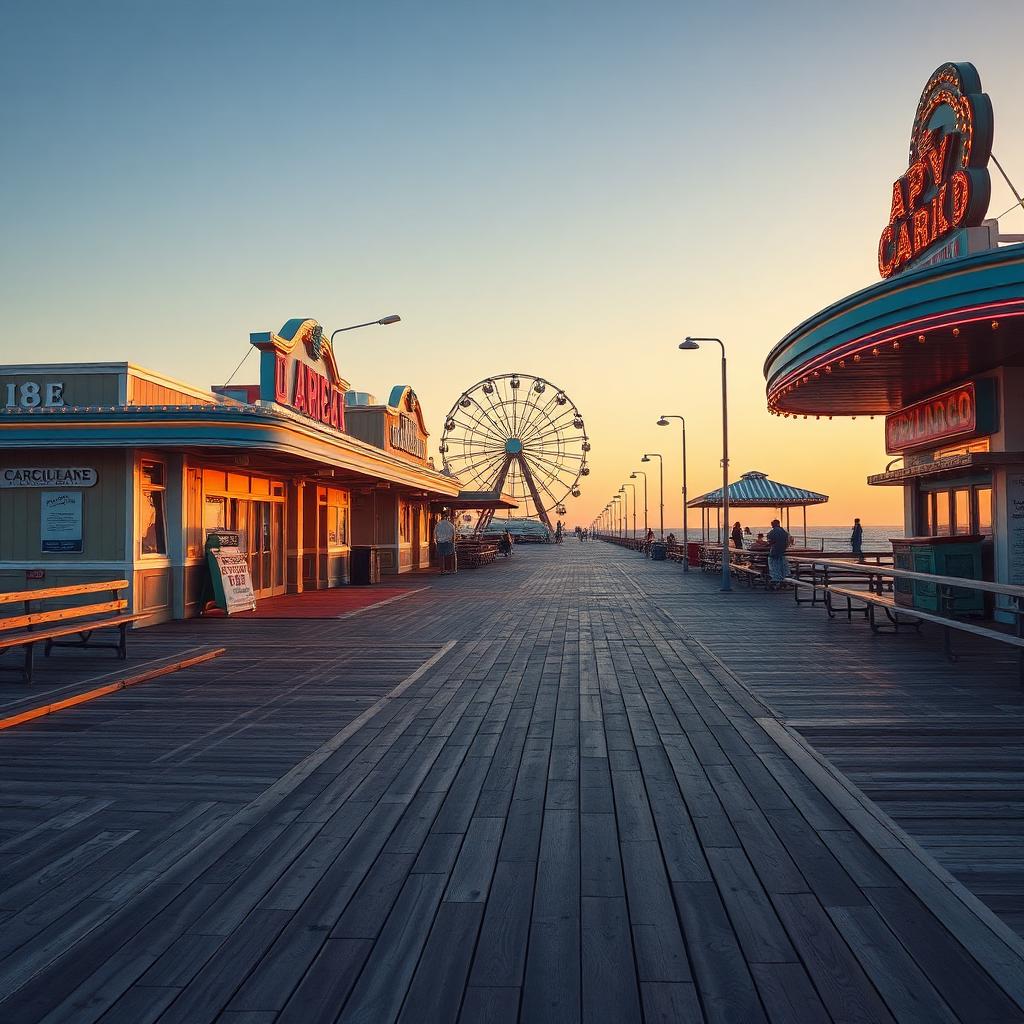
Boardwalk Layout Reminds Us Why History Matters
Underneath the modern wood of the boardwalk area lies a physical history defined by survival and a mid-century transformation that permanently altered the town’s footprint. The current alignment of th…
By Shelly Winner, Editor
Underneath the modern wood of the boardwalk area lies a physical history defined by survival and a mid-century transformation that permanently altered the town’s footprint. The current alignment of the shops and the walkway is not just a design choice; it is a direct response to the powerful storms of the 1950s that cleared the slate for the tourism hub we see today.
Before the major weather events of the mid-20th century, the shoreline area functioned largely as a center for basic commerce. The shift from a working-class trading zone to a dedicated tourism destination was born out of necessity as residents rebuilt their livelihood from the sand up. This resilience is why the town layout feels unique compared to other North Carolina beaches, with a density and proximity to the water that reflects a specific era of coastal planning.
🏖 Resilience Built Into the Boards
The transition from a basic commercial hub to a vacationer's paradise was accelerated by the need to adapt to a changing coastline. When families walk the boards today, they are following the same path carved out by previous generations who decided that the oceanfront was worth the struggle of rebuilding. This persistence created the distinctive "Pleasure Island" feel—a blend of old-school nostalgia and modern summer energy.
By our read, the way the shops are clustered today serves as a monument to those who stayed. What could have been a total abandonment of the shoreline instead became a reimagined space designed specifically for the summer experience. The bigger picture here is that the boardwalk is not just a place to buy snacks or souvenirs; it is a structural victory over the elements.
The shift from basic commerce to tourism explains the unique layout of the town compared to other regional coastal destinations.
🎡 Connecting Generations Through the Summer Hum
There is a specific feeling that comes with the August heat in the boardwalk area, one that has remained remarkably consistent over the decades. While the specific businesses have changed, the fundamental experience of navigating the crowd with a cold drink or a snack is a shared thread between the visitors of the 1950s and the families visiting in 2026.
For residents, this means the boardwalk serves as a living museum. To watch a child today experience the sights and sounds of the oceanfront for the first time is to see a repeat of a scene that has played out thousands of times on this exact footprint. The history here isn't buried in a book; it's active in the way we move through the space.
What to watch for next is how the town continues to balance this deep-seated nostalgia with the needs of a modern, growing population. The footprint remains a finite space, making every board and every storefront a precious piece of the island's identity. Worth noting is how the original mid-century planners prioritized a walkable, communal experience that still dictates how we spend our August afternoons.
That’s Carolina Beach. Beautiful, chaotic, and somehow still worth it.