
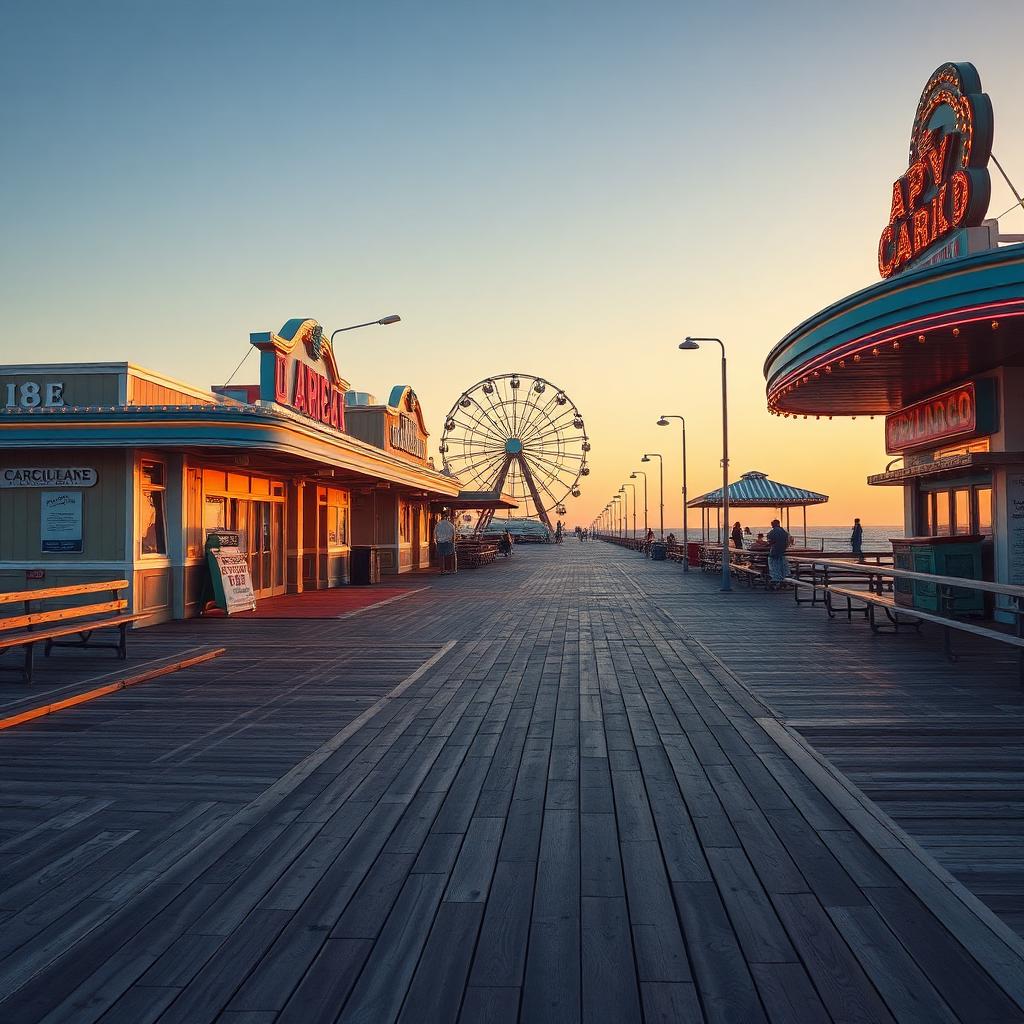
Boardwalk Planks And Shifting Footprints Under The Summer Sun
The current walkway near the ocean looks like a permanent fixture of the summer landscape, but the physical wood and concrete underfoot tell a story of constant movement and engineering pivots. For th…
By Shelly Winner, Editor
The current walkway near the ocean looks like a permanent fixture of the summer landscape, but the physical wood and concrete underfoot tell a story of constant movement and engineering pivots. For those navigating the crowds this August, the path between the shops and the sand represents a footprint that has been forced to reset itself multiple times over the decades. The transition from traditional wooden planks to the reinforced structures of today was not a matter of style, but a calculated response to the environmental pressures of the coastline.
🏔 Engineering Against The Tide
Early iterations of the town’s waterfront walkway relied heavily on wooden construction that sat lower to the ground. These structures were susceptible to the shifting sands and the inevitable surge of seasonal storms that redefined the shoreline. As coastal architecture evolved during the mid-20th century, the town moved toward a more elevated and resilient design, fundamentally changing how visitors interact with the beach [1].
This shift in the footprint was often reactionary. Following major weather events, the boardwalk was not just repaired; it was often moved or reconstructed using different materials to better withstand the elements. For residents, this means the path you walk today likely sits on a different alignment than the one your parents or grandparents navigated years ago [1].
The transition from wood to modern materials reflects a larger social shift in how we manage public spaces on a changing island.
🚧 The Bigger Picture Of The Footprint
The engineering changes beneath the surface have altered the social flow of the boardwalk area. Older designs featured different access points and a closer proximity to the water that became unsustainable as the dunes and tides fluctuated. Modern visitors now experience a more stabilized environment, but one that is more "locked in" by concrete and heavy timber than the fluid wooden decks of the past [1].
By our read, these changes represent the town's struggle to balance nostalgia with reality. While the look of a wooden walkway is synonymous with the classic island experience, the modern footprint is designed for longevity and high traffic. This evolution ensures that even as the coast changes, the heart of the town remains accessible to the thousands of people who fill the area every weekend in August.
🌊 What To Watch For Next
Looking ahead, the evolution of the boardwalk area is rarely finished. City staff and planners must constantly evaluate how the current structures handle the heavy usage of the summer season and the wear and tear of the salt air. For visitors, this history is largely invisible until you notice a slight change in the elevation or a new section of railing that marks a different era of construction [1].
It is worth noting that the way we walk through the boardwalk area today is a direct result of lessons learned from the storms of the 1950s and 1990s. The next time you are heading back to the car with a beach cart or stopping for a snack, take a second to look at where the wood meets the concrete. It is the clearest map we have of how the town has adapted to stay right where it is.
How much has the boardwalk changed since your first visit to the island?