
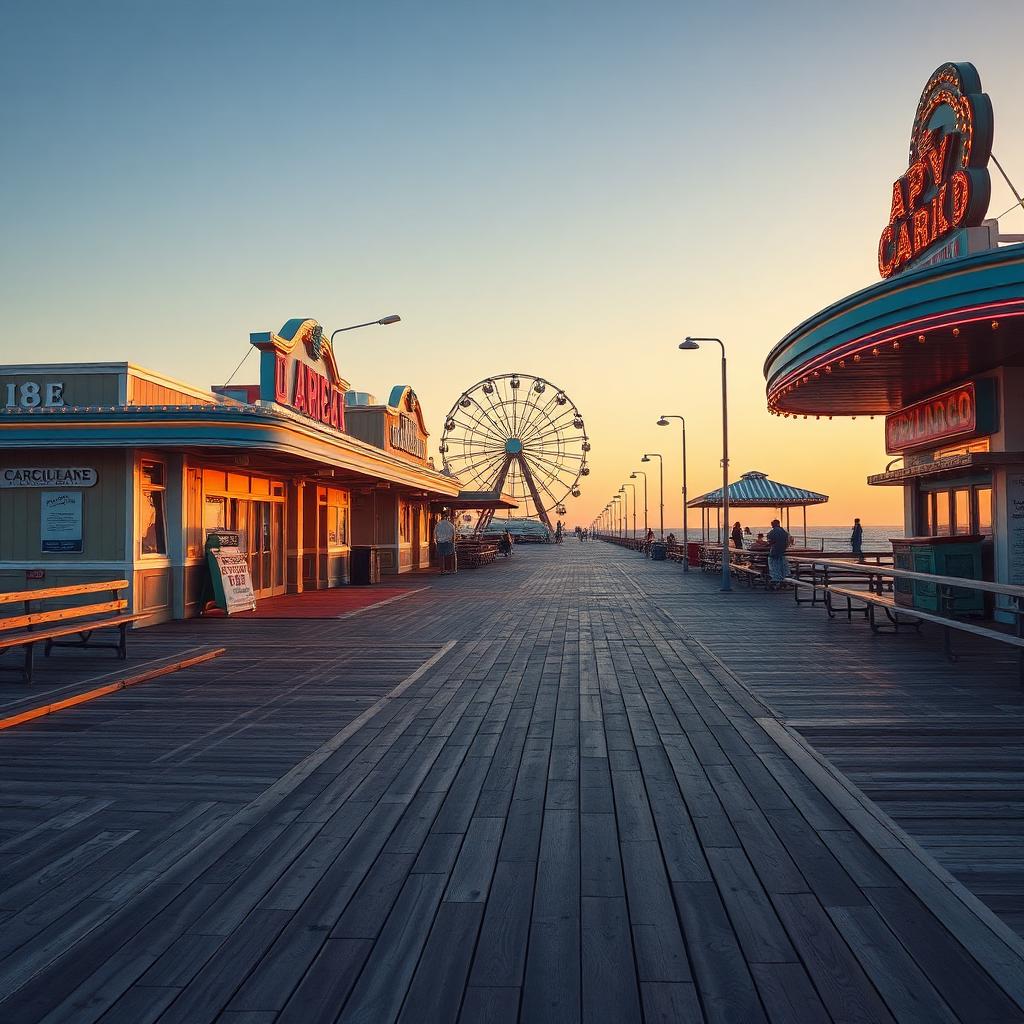
Boardwalk Planning Shaped the Way Modern Island Life Moves
The current layout of the Carolina Beach Boardwalk reflects a deliberate shift in coastal planning that occurred during the mid-20th century. While the area originally grew as a cluster of early 20th-…
By Shelly Winner, Editor
The current layout of the Carolina Beach Boardwalk reflects a deliberate shift in coastal planning that occurred during the mid-20th century. While the area originally grew as a cluster of early 20th-century developments, the way we walk between the storefronts and the sand today is the result of specific decisions made decades ago to centralize the town’s social energy.
For those living here or visiting in the late fall, the boardwalk serves as a grounded reminder of how the town's identity was built. It was not an accidental gathering spot but a planned heart for the island. The transition from scattered early structures to a cohesive mid-century design allowed the area to become the primary anchor for local commerce and recreation.
🏔 Early Development and Modern Identity
Understanding the growth of this area helps locals appreciate the blend of old and new that defines the shoreline. The early 20th-century development patterns established the boardwalk as the commercial hub, but it was the mid-century planning phase that solidified its role as the island’s social core. This era of planning focused on making the beach accessible while creating a concentrated space where people could shop, eat, and gather in one place.
The impact of these decisions is visible in the way the boardwalk area feels today. It creates a distinct boundary between the natural environment of the dunes and the active, built-up part of the town. This separation is why the area remains the first stop for most visitors and the reliable backdrop for local events during the cooler November months.
🚧 Planning for the Future
When looking at the bigger picture, the boardwalk acts as a living history of coastal architecture. The mix of surviving older elements alongside modern upgrades shows how the town has managed to evolve without losing its original footprint. For residents, this means that even as new businesses move in, the physical flow of the area remains tied to its historical roots.
The boardwalk is more than just a walkway; it is the physical identity of the town, bridging the gap between historical growth and current local needs.
By our read, the continued focus on maintaining this area is what prevents the island from feeling like a generic coastal destination. The specific mid-century planning ensures that the heart of the town stays walkable and connected, rather than being overtaken by the sprawling patterns seen in other beach communities. This is worth noting as the town looks toward future infrastructure projects; the boardwalk remains the standard for how we integrate public space with private enterprise.
How has the boardwalk area changed since your first visit to the island?