Building Permits and Inspections in Carolina Beach: What Property Owners Need to Know
Planning a home project or coastal build in Carolina Beach? Here is a clear guide to when you need a building permit, how CAMA and flood zones impact design, and what to expect during town inspections.
By Shelly Winner, Editor
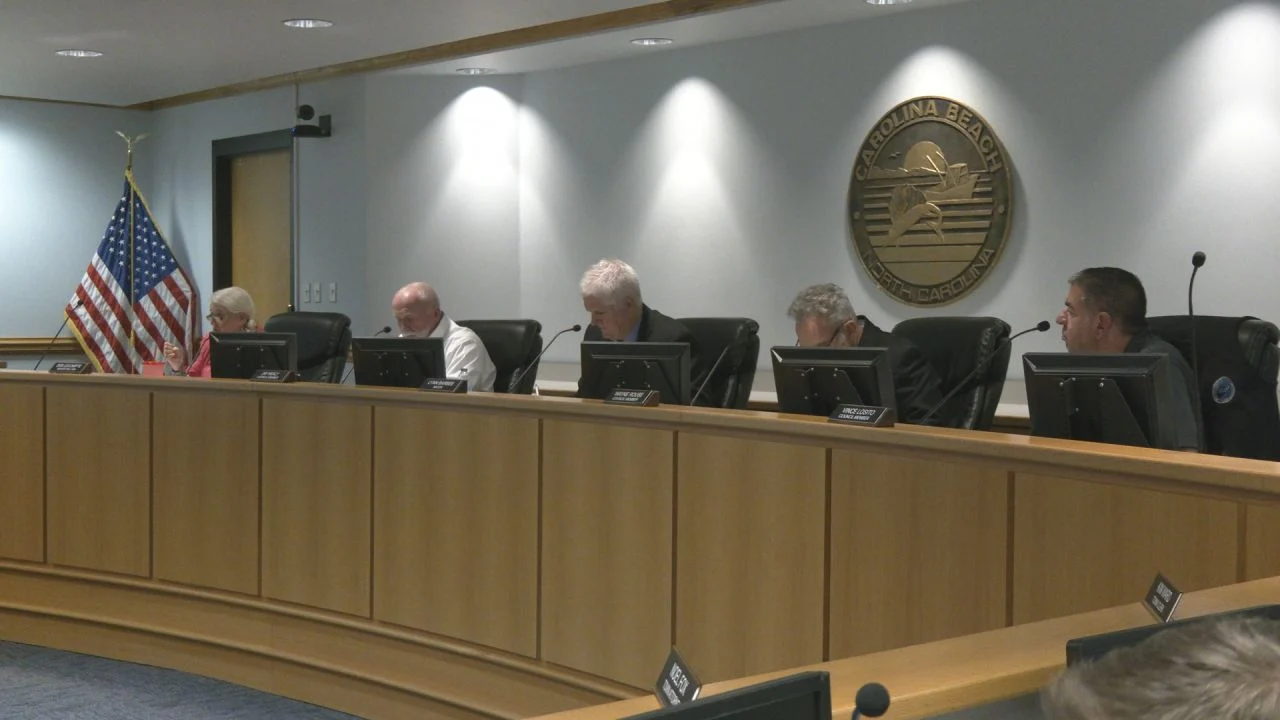
In Carolina Beach’s council-manager form of government, the Town Council sets local development ordinances and policy, while the town manager and municipal staff carry out daily administrative duties—including building permits and code compliance. The Town’s planning and building departments ensure that every structure meets North Carolina state building codes as well as community safety standards.
For homeowners and contractors, building permits are required for most substantial work. This includes new residential or commercial construction, structural alterations, additions, decks, roofing, and major electrical, plumbing, or mechanical replacements. Minor cosmetic updates, such as painting or replacing standard flooring, generally do not require town permits, but checking before swinging a hammer protects you from costly project delays and stop-work orders.
Building on an island comes with distinct coastal requirements, particularly state coastal management regulations and local flood protection standards. If your project falls near ocean shorelines, marshes, or estuarine waters, it often requires a Coastal Area Management Act (CAMA) permit before regular building review can proceed. Additionally, because much of Carolina Beach lies within designated special flood hazard areas, construction plans must comply with local floodplain management rules, which dictate minimum elevation heights and flood-resistant building techniques.
Once approved permits are in hand and construction begins, work proceeds through a mandatory sequence of inspections. Town inspectors visit the site at crucial milestones—typically starting with footing and foundation checks, advancing to framing, plumbing, mechanical, and electrical rough-ins, and inspecting insulation before walls are closed up. Skipping an inspection can mean having to uncover completed work, so staying in close contact with town staff throughout the build is essential.
The process wraps up with a final inspection, confirming that the structure satisfies state codes, local elevation mandates, and coastal setback rules. Upon successful review, the Town issues a certificate of compliance or certificate of occupancy, verifying that the building is safe to use.
For application forms, CAMA guidelines, flood map lookups, and fee schedules, visit the official Town of Carolina Beach website at https://www.carolinabeach.org.