
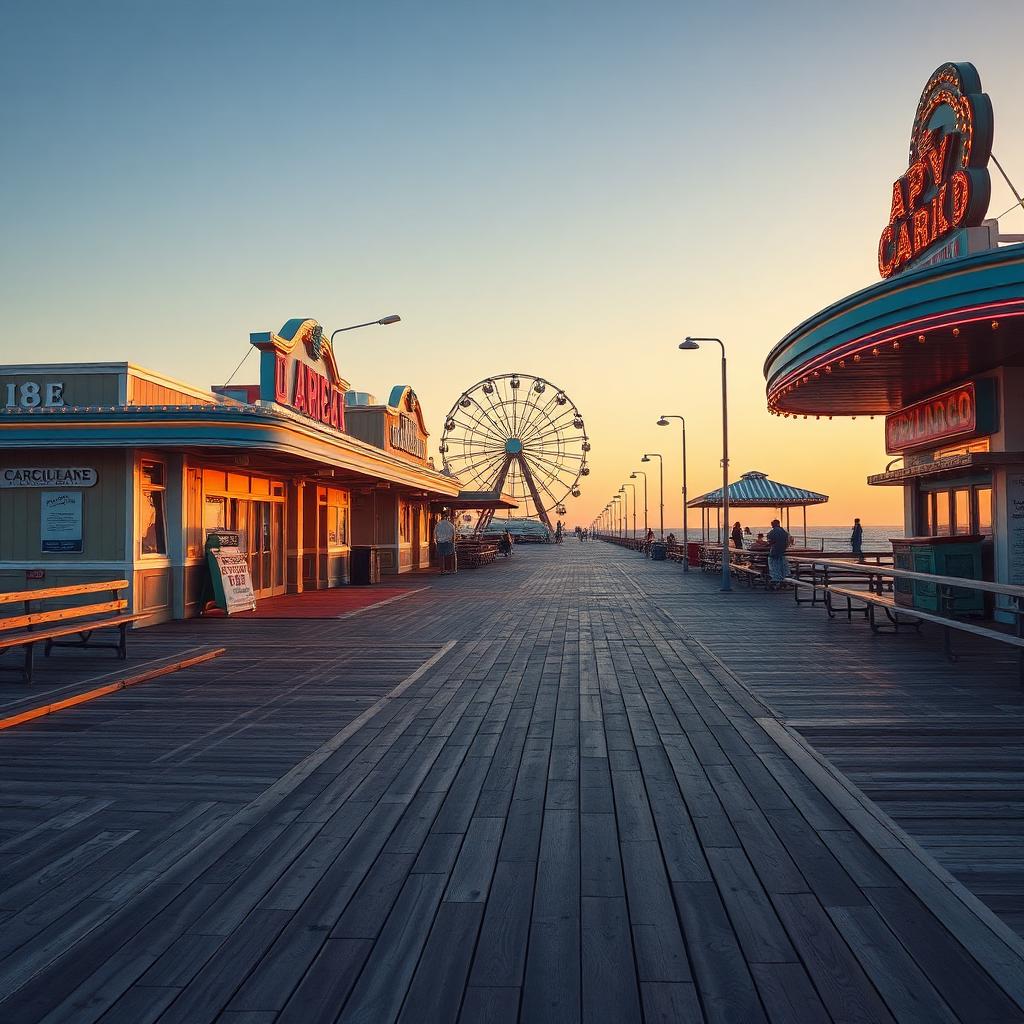
Echoes of Cottage Row: The Surviving Early Beach Houses of Carolina Beach
Long before multi-story condos lined the coast, simple wooden cottages on pilings defined summer life in Carolina Beach. A few of these resilient early-20th-century homes still stand today.
By Shelly Winner, Editor
In 1912, the completion of the Carolina Beach Pavilion and the steady growth of passenger steamer traffic up the Cape Fear River prompted a modest building boom along the town's oceanfront. Families from Wilmington, Wallace, and Clinton began erecting simple wooden beach homes on pilings, creating a stretch that locals casually knew as Cottage Row. These were not the insulated, air-conditioned getaways of today; they were breezy, unadorned structures built from heart pine and Atlantic white cedar, intended for summer refuge and little else.
Life along the pre-war oceanfront moved to a distinct coastal rhythm. The homes were typically designed in what architectural historians call coastal vernacular: board-and-batten or wood-shingle siding, wide wrap-around porches with deep eaves to keep out the midday sun, and broad breezeways running through the center of the house to channel ocean winds. Large wooden shutters, propped open with two-by-fours, doubled as awnings during daylight and storm barricades when southeasters rolled in off the Atlantic.
Because electricity and municipal water were slow to arrive in the early decades of the twentieth century, these cottages operated with basic, practical arrangements. Cisterns caught rain cascading off the corrugated metal roofs, while cooking was relegated to small kerosene stoves or detached rear sheds to keep the sleeping quarters cool. Inside, the walls were often raw, exposed framing studs, and the sand tracked in from the dunes was simply swept right through gaps in the floorboards.
Over the decades, hurricanes—particularly Hazel in October 1954—wiped out dozens of these original frame structures, while modern development claimed many of the survivors. Yet, if you walk a block or two back from the ocean today along Carolina Beach Avenue North or stroll the quieter side streets like Pelican or Harper Avenue, you can still spot a handful of low-slung, cedar-shaked cottages quietly sitting on weathered pilings. They serve as tangible links to an era when summering in Carolina Beach meant salt spray on bare pine boards and nothing between you and the open Atlantic breeze.