
From River Shipyards to the Seaside Boardwalk: Carolina Beach’s Wartime Boom
During World War II, Wilmington’s bustling shipyard employed over 20,000 workers, channeling wartime wages south along Route 421 to ignite Carolina Beach’s mid-century boom.
By Shelly Winner, Editor
In early 1941, the North Carolina Shipbuilding Company set up operations along the Cape Fear River just south of downtown Wilmington. Within months, thousands of tradespeople, welders, and pipefitters poured into New Hanover County from across the Southeast to build Liberty ships and C2 cargo vessels for the war effort. At its peak, the yard employed over 20,000 workers around the clock.
That massive influx of wartime wages quickly spilled down Route 421 to Carolina Beach. The town had spent the 1930s as a quiet, seasonal retreat, but shipyard shifts created a steady year-round population with money in their pockets and a need to unwind. Local boarding houses, diners, and rental cottages stayed booked straight through winters that had previously seen the oceanfront shuttered.
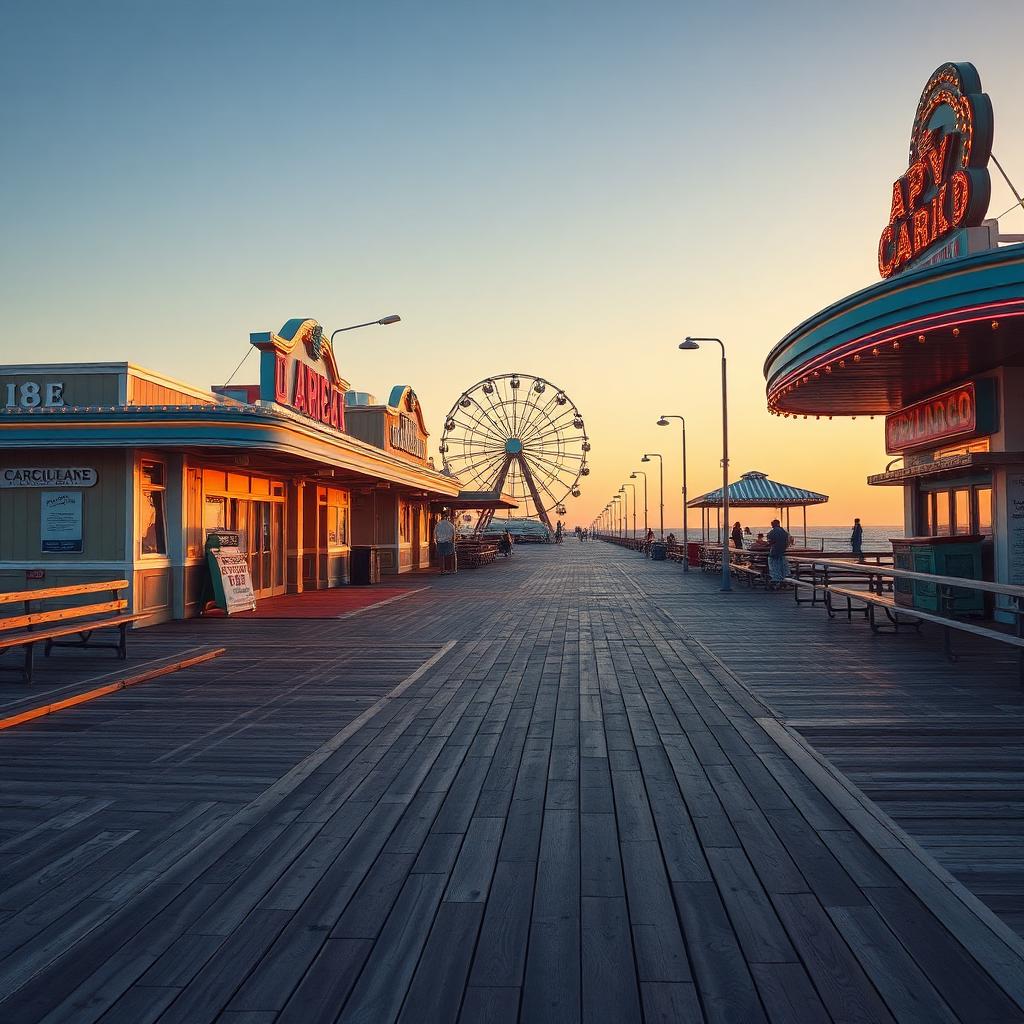
When the yard launched its vessels—including 243 ships by the war’s end—workers celebrated at Carolina Beach’s seaside pavilion and boardwalk. Dance halls, bowling alleys, and arcades expanded to entertain both the yard workers and the soldiers stationed nearby at Fort Fisher, turning the modest strand into one of the most bustling recreation centers on the North Carolina coast.
The capital accumulated during those shipbuilding years paved the way for the island’s post-war boom. In 1945 and 1946, local builders took the tools and timber trade honed during the war and began erecting the classic mid-century motor courts and beach cottages that came to define the town's golden era of family tourism.
Today, you can still trace that boom at the Carolina Beach Boardwalk. While the original wooden planks were rebuilt over the decades, the compact oceanfront layout of amusement stands, confectioneries, and open-air pavilion space retains the mid-century footprint financed when riverfront shipbuilders first came south for a break by the surf.