
How Carolina Beach Manages Stormwater and Coastal Drainage
A neighborly look at how Carolina Beach manages stormwater on a coastal barrier island, from drainage infrastructure to state CAMA permits.
By Shelly Winner, Editor
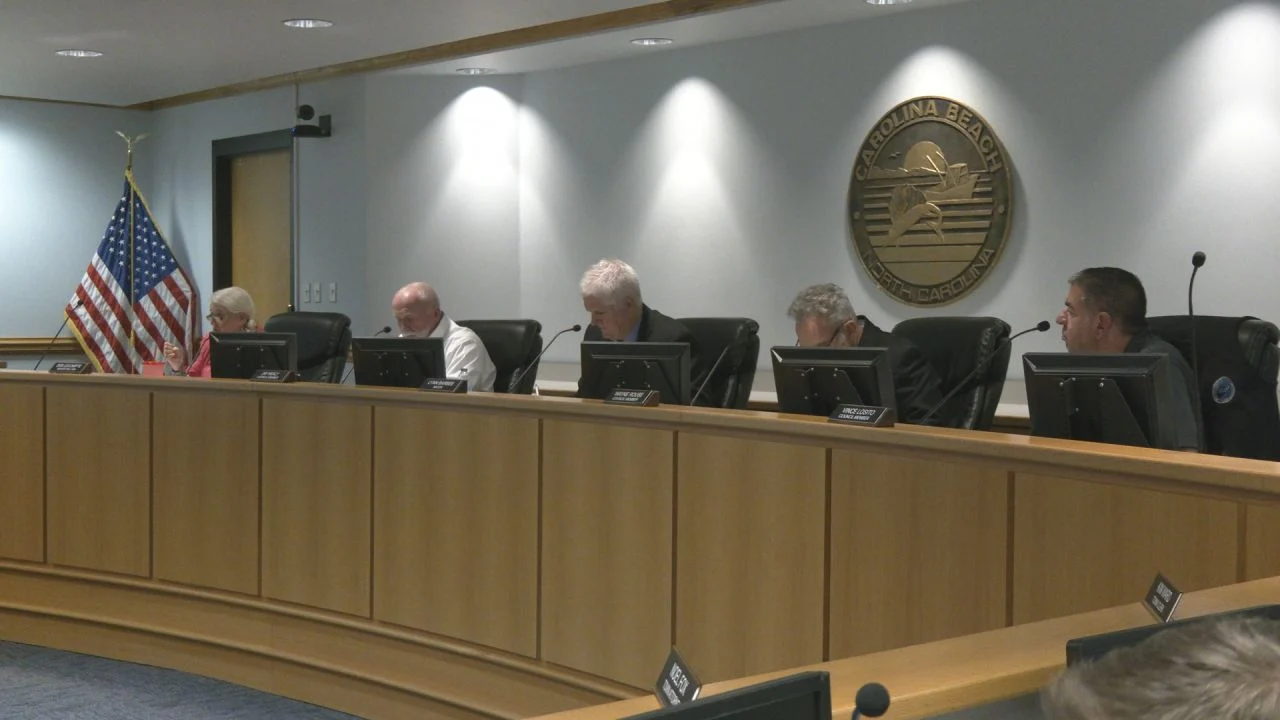
In Carolina Beach’s council-manager form of government, the elected Town Council sets policy and adopts local ordinances, while the town manager and municipal staff oversee day-to-day operations like maintaining utility lines, streets, and stormwater drainage systems.
Managing stormwater is a unique challenge on a low-lying barrier island. Because Carolina Beach is surrounded by the Atlantic Ocean, the Cape Fear River, and the Intracoastal Waterway, rainwater cannot simply run downhill into vast open reservoirs. High tides, flat topography, and a naturally high water table mean that heavy rainfall must be carefully collected, filtered, and conveyed to outfalls without overwhelming neighborhood streets or backflowing during storm surges.
To keep water moving, the town continuously works on capital infrastructure improvements across its drainage basins. These efforts include installing and upgrading catch basins, replacing aging corrugated pipes with durable concrete or high-density piping, and using backflow preventers to keep tidal surges from backing up into residential roads. Town crews also regularly clean ditches, sweep streets to keep debris out of storm grates, and maintain lake and pond retention levels ahead of forecast weather events.
Because Carolina Beach sits directly in a sensitive coastal environment, local drainage work often operates under North Carolina’s Coastal Area Management Act (CAMA). Administered by the state’s Division of Coastal Management, CAMA permits ensure that municipal construction, bulkhead work, and stormwater outfalls do not degrade coastal wetlands, erode shorelines, or harm marine habitats. Major town drainage projects must meet these rigorous environmental standards before ground is ever broken.
Residents can learn more about ongoing stormwater capital improvement projects, report localized standing water, or view drainage basin plans by visiting the official Town of Carolina Beach website at carolinabeach.org.