
Low Density Architecture Defines The Kure Beach Experience
The physical landscape changes noticeably as the drive continues south toward the end of the island, where the dense clusters of multi-story rentals give way to a skyline defined by lower rooflines an…
By Shelly Winner, Editor
The physical landscape changes noticeably as the drive continues south toward the end of the island, where the dense clusters of multi-story rentals give way to a skyline defined by lower rooflines and wider gaps between houses. While the northern stretches of the island are characterized by high-energy crowds and bustling activity, the atmosphere shifts into something quieter and more deliberate once a visitor crosses the invisible line into Kure Beach.
For residents, this shift in density is not just a matter of aesthetics; it dictates the rhythm of a summer afternoon. On a busy August Saturday, the northern end of the island often feels like it is bursting at the seams, with every square inch of sand and sidewalk occupied. However, the southern end maintains a more relaxed coastal feeling, largely due to the architectural differences that limit how many people can stay in one concentrated area.
🏖 The Mood Shift Near The Pier
The difference in moods is most apparent when comparing the busiest sections of the island. In the more central areas, the pace is set by the proximity to the boardwalk and the constant flow of day-trippers. By contrast, the area near the pier at the south end feels more like a residential neighborhood that happens to have a beach attached to it.
Locals know that even on the most crowded afternoons, there is a distinct sense of breathing room here. While visitors often get stuck in the most congested areas without realizing a quieter atmosphere is just a short drive away, those who make the trip south are rewarded with a slower pace. The bigger picture reveals an island that functions as two different worlds: one designed for the high-intensity vacation experience and another built for a steady, quiet retreat.
🚙 Watching The Density Change
By our read, the architectural footprint is the primary driver of this experience. The prevalence of smaller, single-family homes and lower-profile buildings creates a natural cap on the number of people who can inhabit the space at any given time. This lack of vertical density translates directly to the experience on the sand.
For those living on or visiting Pleasure Island, this means the choice of where to spend a Friday afternoon is often a choice of temperament. If the goal is to be in the middle of the summer rush, the north end delivers. If the goal is to escape the feeling of a crowded city by the sea, the move is always to head south.
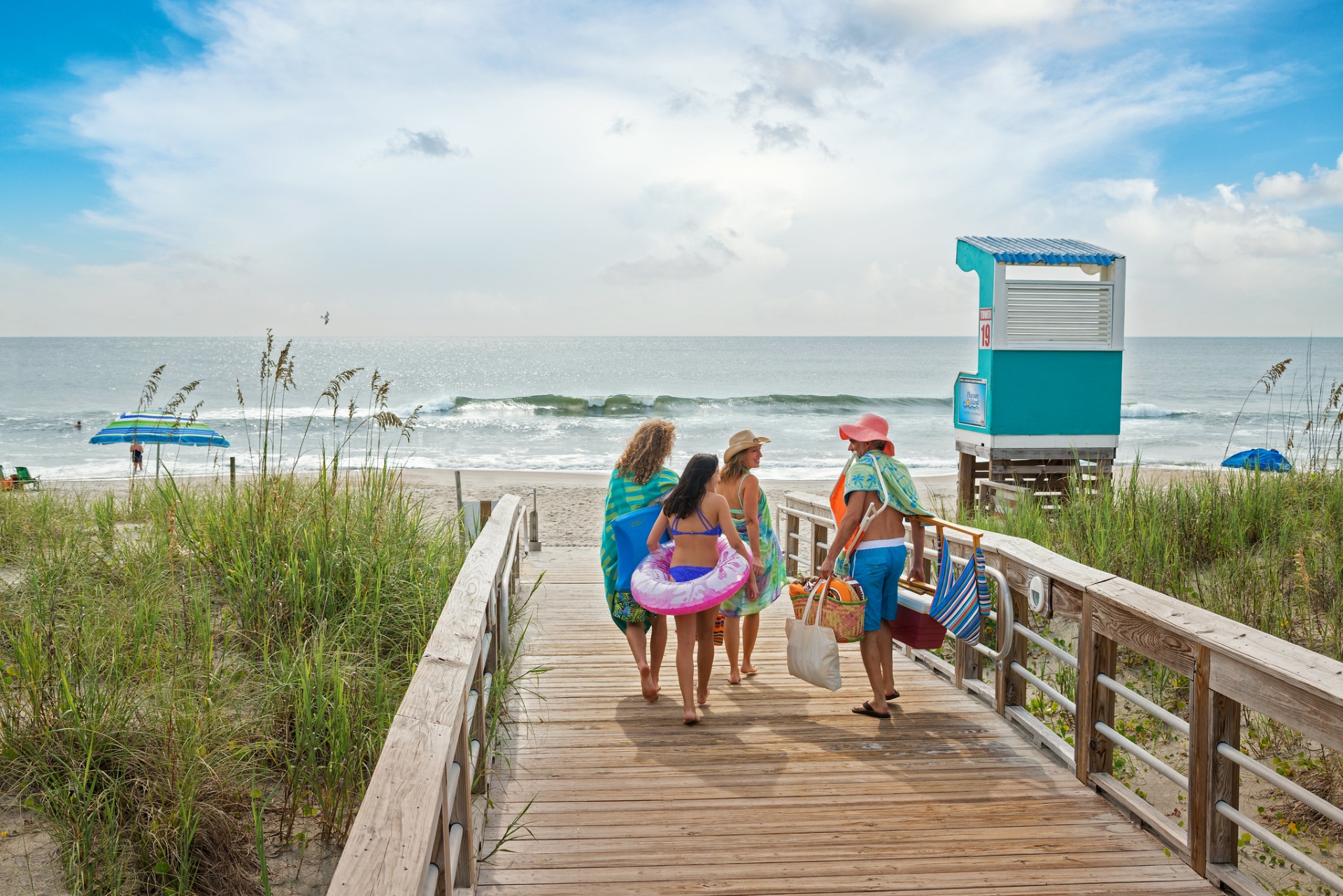
Locals know that the north and south ends of the island offer two distinct moods, even on the busiest August afternoons.
What to watch for as the season continues is how these two identities balance one another. As the northern end continues to draw the bulk of the traffic, the southern end remains a vital pressure valve for the island. It serves as a reminder that even during the peak of summer, a more traditional and relaxed beach experience is still within reach.
That’s the reality of the island in August. Whether you prefer the energy of the crowd or the quiet of the low-rise cottages, there is a spot for you here. Which side of the island fits your mood today?