
Modern Shifts in the Boardwalk Footprint
Black-and-white postcards from the early 20th century often show a version of the island that feels unrecognizable, not because of the buildings, but because of where the wooden planks actually sat. F…
By Shelly Winner, Editor
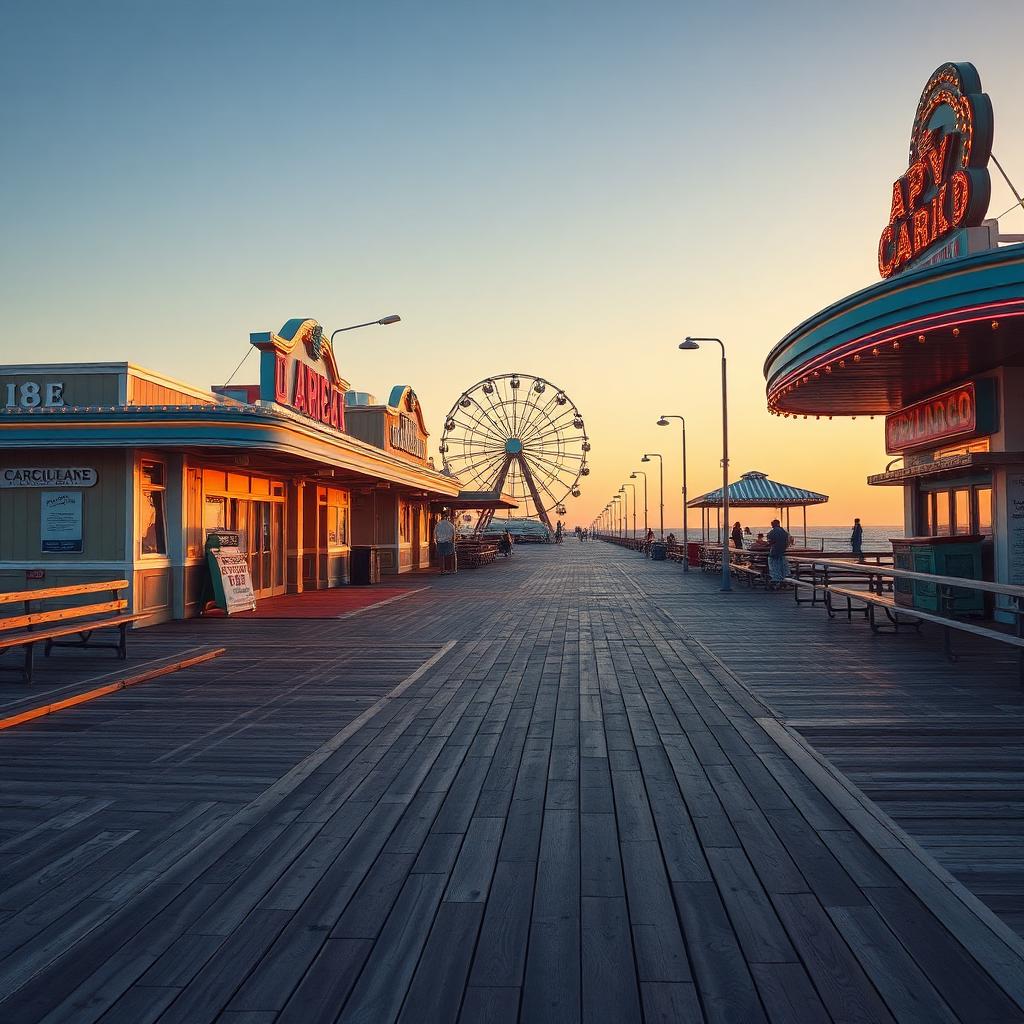
Black-and-white postcards from the early 20th century often show a version of the island that feels unrecognizable, not because of the buildings, but because of where the wooden planks actually sat. For those who walk the boardwalk area today, the path underfoot is a direct result of mid-century structural changes that prioritised resilience over the original aesthetic.
The current layout of our social hub was not the result of a single modern master plan. Instead, it was a series of tactical shifts necessitated by the island’s physical evolution. Early designs followed different architectural styles that were eventually abandoned as the town learned how the coastline interacts with permanent structures.
📜 Structural Shifts Over Planning
By our read, the "hidden reason" the area looks different today is the transition from early-century ornamental styles to a more functional, mid-century footprint. In the first few decades of the 1900s, the boardwalk was more of a decorative extension of the town’s streetscape. However, as the island faced the realities of mid-Atlantic weather, the footprint had to be pulled back or reinforced in ways that altered the original lines of the island.
For residents, this means the turns and widenings you navigate today are actually echoes of where previous structures once stood or where the town decided to draw a line against the elements. This physical evolution reflects the adaptability of the community during the 1950s and 60s, a period when much of the current layout was solidified.
💡 Resilience in the Planks
Understanding this history changes how one views a standard walk toward the ocean. It wasn't just about making room for more shops; it was about ensuring the central social hub could survive decades of use. The transition from the old styles to the current layout was a practical response to the island’s environment.
The footprint of the boardwalk area was determined by past transformations rather than modern planning.
What to watch for next time you are out: notice the gaps between the older buildings and the current wooden path. Those spaces often mark the boundary where the "old postcard" version of the town ended and the modern, resilient footprint began. It is a reminder that the island is always in a state of subtle motion, even when the wooden walkway feels permanent.
That is the island for you—constantly changing, yet somehow keeping the same spirit alive through every transformation. What would you add to the list of changes you've noticed over the years?