
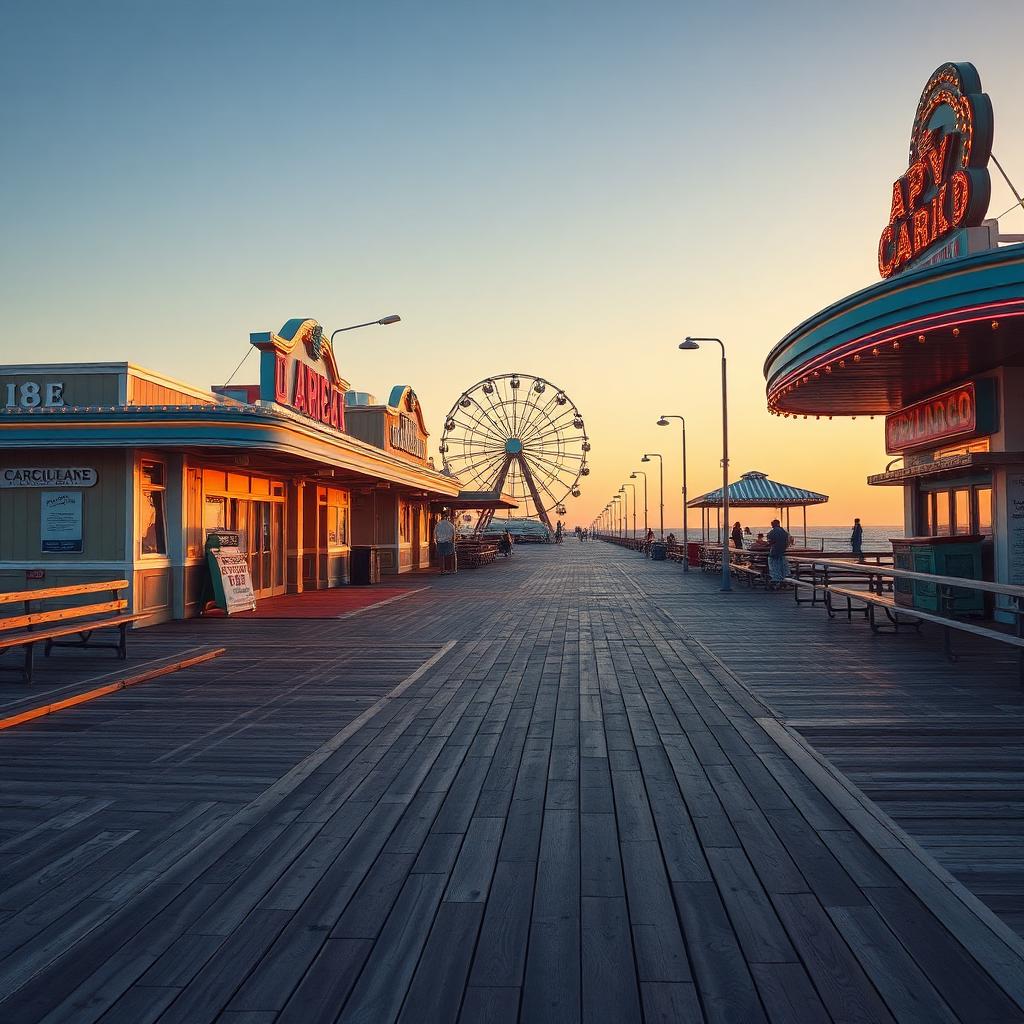
Out of the Ashes: The Fire That Reshaped the Carolina Beach Boardwalk
On Labor Day weekend in 1940, a fierce fire swept through Carolina Beach's oceanfront, destroying the original wooden boardwalk and sparking the post-war rebuilding that shaped the modern strip.
By Shelly Winner, Editor
On September 1, 1940, as Labor Day weekend crowds began winding down their holiday, a spark beneath a boardwalk shooting gallery ignited one of the most devastating disasters in Carolina Beach history. Fanned by brisk coastal winds, flames tore through the dry pine timbers of the wooden oceanfront walkway. Within hours, several square blocks of amusement arcades, bathhouses, and beach cottages were reduced to smoking ash, causing hundreds of thousands of dollars in property damage.
Fire companies rushed south from Wilmington to aid local volunteers, pumping water directly from the ocean and nearby Carolina Beach Lake in an effort to contain the wall of fire. Despite their desperate efforts, the blaze wiped out the commercial heart of the strand. For a small seaside town that had spent decades growing from Captain Joseph Winner’s modest 1880s settlement into a bustling tourist hub, the loss of its central boardwalk appeared catastrophic on the eve of World War II.
Yet the town wasted little time mourning. Recognizing the vulnerability of pine boardwalks and wood-frame structures, civic leaders and property owners committed to a sturdier vision for the oceanfront. Even with wartime shortages looming, reconstruction began shifting toward masonry construction, wider rights-of-way, and more resilient framing along the core commercial strip.
When the postwar boom arrived in the late 1940s, Carolina Beach was ready. Returning servicemen and vacationing families filled an expanded, modernized entertainment district featuring concrete-anchored walkways, neon-lit pavilions, and seaside diners. The tragedy of 1940 had inadvertently cleared the path for the vibrant mid-century beach strip that came to define the town's golden era of tourism.
Today, visitors strolling the modern Carolina Beach Boardwalk walk directly over the footprint of that 1940 transformation. While modern upgrades and a sweeping 2010s revitalization have kept the promenade fresh, the concrete footprint and layout of seaside businesses running between Harper Avenue and Cape Fear Boulevard exist because of the determined rebuilding that followed that fateful holiday blaze.