
Pleasure Island Promenade Layers Reveal Century of Change
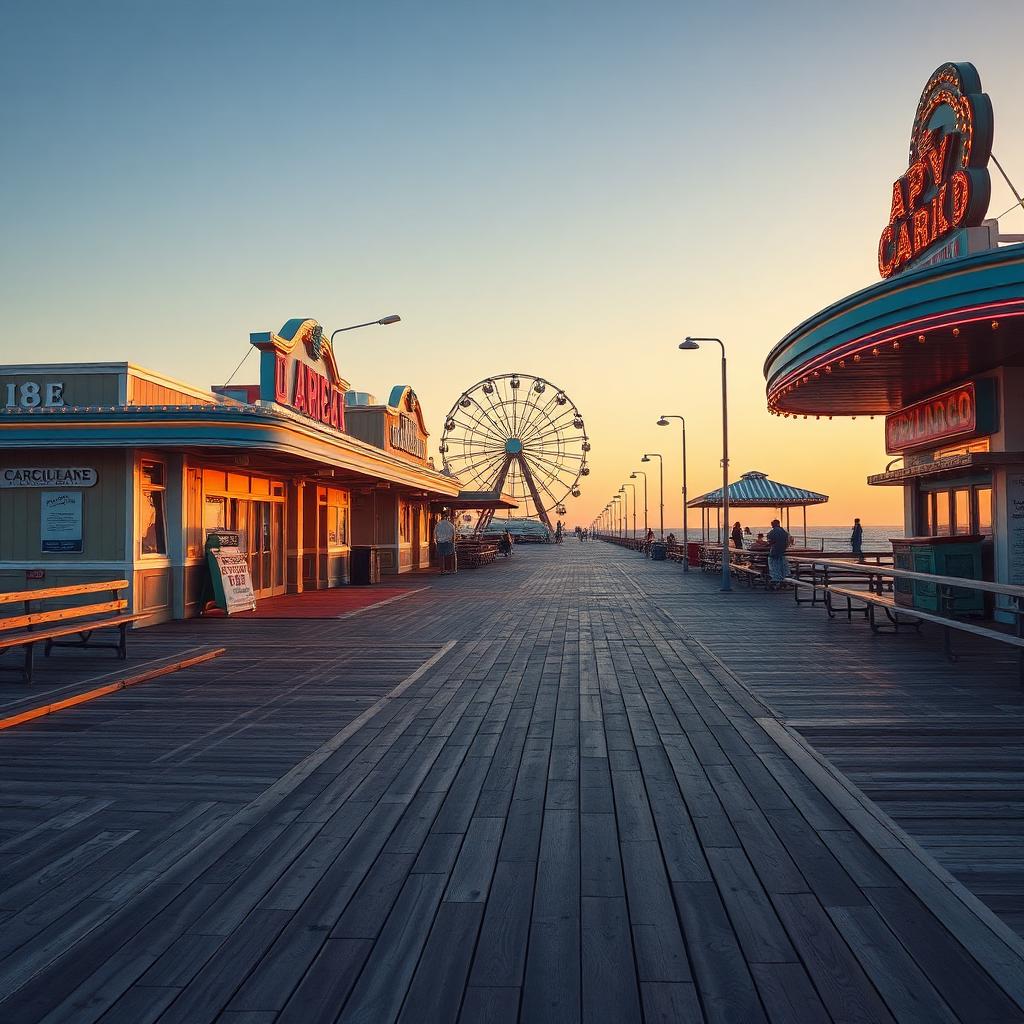
The current planks of the Carolina Beach Boardwalk rest atop a structural timeline that has repeatedly shifted between wood and concrete for more than a hundred years. While the surface provides a ste…
By Shelly Winner, Editor
The current planks of the Carolina Beach Boardwalk rest atop a structural timeline that has repeatedly shifted between wood and concrete for more than a hundred years. While the surface provides a steady path for fall walks toward the ocean, the foundation beneath represents a century-long cycle of construction and reconstruction designed to withstand the coastal environment.
This central social hub has served as the island's anchor through various eras, reflecting the architectural preferences and engineering necessities of the time. The transition from early wooden footways to mid-century concrete and eventually back to the modern elevated wood decking highlights the island’s ongoing effort to balance permanent infrastructure with the shifting sands of the Atlantic coastline.
🏗 Structural Shifts Through the Decades
The aesthetic of the promenade has evolved significantly since its inception. Early versions were simple wooden walkways, often built low to the sand and susceptible to the elements. As the area grew in popularity, there was a push toward more rigid materials to provide a sense of permanence and modernization. This led to an era where concrete dominated the landscape, providing a sturdy, urban feel to the beachfront.
However, the return to wood in more recent years was a deliberate choice. The current elevated design allows for better sand management and provides the classic seaside texture that residents and visitors associate with a traditional boardwalk experience. By our read, this evolution proves that "permanent" is a relative term when building on a barrier island; the goal is not to stop the environment from changing, but to build something that can be maintained alongside it.
🎡 Architectural Eras and Social Memory
For residents, these changes are more than just engineering updates—they represent the different faces of the island’s history. The specific architectural styles of the buildings surrounding the walkway often dictated the materials used underfoot. From the mid-century modern influences of the fifties to the more traditional coastal aesthetic seen today, the boardwalk area acts as a living museum of Pleasure Island's growth.
Understanding the Boardwalk's permanence helps locals and visitors appreciate the island's dedication to maintaining its central social hub despite environmental challenges.
Walking the boards in late November offers a clearer view of these details. Without the heavy crowds of the warmer months, it is easier to notice where the old structures met the new. The seams between different phases of construction tell the story of a community that refuses to let its gathering space wash away.
🌊 Why the Layers Matter Today
The hidden history beneath the planks matters because it informs how the island plans for the future. Every time a storm necessitates a repair or a new section is added, engineers look at what worked in the past. The mix of materials—some visible, some buried—serves as a blueprint for resilience.
For those who walk these planks daily, the boardwalk is a constant in a changing landscape. It is the place where generations have met for coffee, watched the sun rise, or simply taken a breath of salt air. Knowing that there is a century of evolution supporting every step adds a layer of respect to a simple morning stroll.
What era of the boardwalk do you remember most clearly?