
Rising sea levels and aging storm drains increase bacteria risks for North Carolina beaches
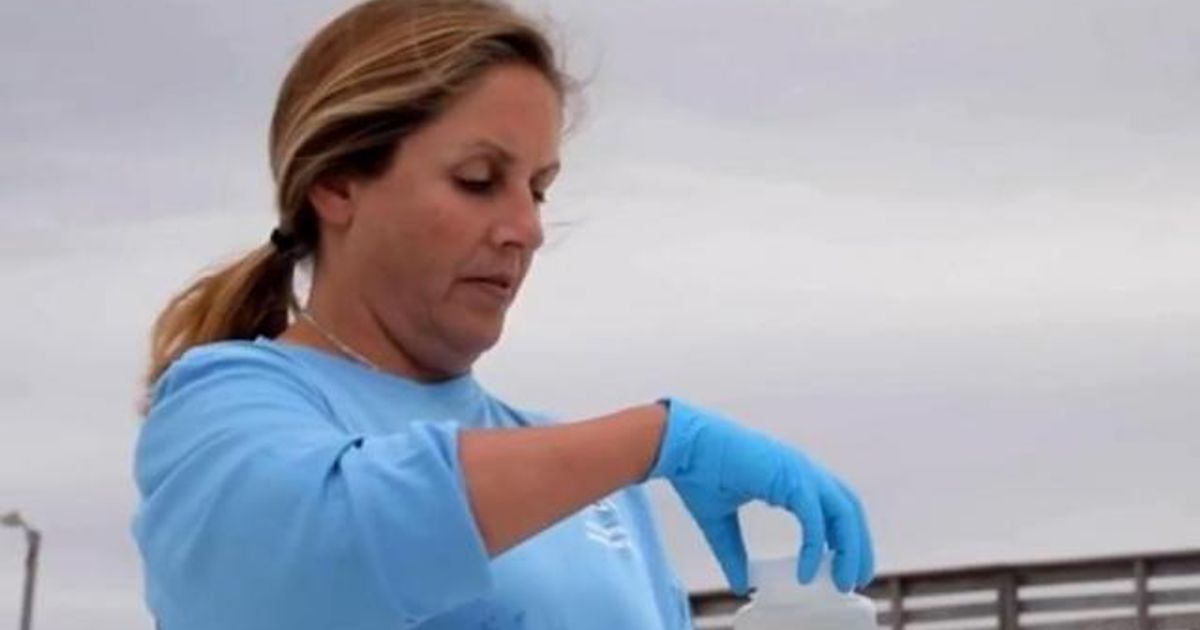
Microbiologist Rachel Noble reports North Carolina fecal bacteria levels are among the highest she has ever seen due to saltwater corroding aging storm drains.
By Shelly Winner, Editor
Aging storm infrastructure along the North Carolina coast is deteriorating as rising sea levels and higher high tides push saltwater into drainage pipes. This saltwater intrusion corrodes the systems and causes sewage to mix with stormwater runoff, which eventually flows back into the Atlantic Ocean. Researchers at the Institute of Marine Sciences in Morehead City report an increase in fecal matter indicator bacteria in ocean water across coastal communities.
Rachel Noble, a microbiologist and professor at the University of North Carolina at Chapel Hill, states that E. coli and fecal indicator bacteria levels are currently among the highest she has ever recorded in certain areas. Noble notes that rising temperatures allow these bacteria to persist longer in the water, increasing the risk of illness for anyone who ingests or comes into contact with the contaminated sea water.
## Infrastructure and Testing Delays
Stormwater systems are struggling to handle the combination of extreme weather events and increased coastal development. While the state currently tests for fecal indicator bacteria, results typically take 48 hours to process. This delay means swimmers may enter contaminated water before an advisory is issued, or they might avoid the water long after levels have returned to normal. Although Noble’s team developed a faster testing method now used in cities like San Diego, most North Carolina towns continue to rely on slower testing methods.
Local families, such as the Grants who visit the beach annually, have expressed concern over water quality following repeated ear infections. Jennifer Grant mentions following a general rule to avoid swimming after storms due to runoff. To minimize health risks, Noble advises beachgoers to avoid swimming in the ocean for 24 hours following any rain event and suggests using treated pools during that window instead.