
Rules on the Dunes: How Carolina Beach Became a Town in 1925
In March 1925, Carolina Beach officially incorporated, transitioning from an isolated summer escape into a self-governed coastal town.
By Shelly Winner, Editor
On March 3, 1925, the North Carolina General Assembly ratified an act officially incorporating the Town of Carolina Beach. What had begun in the late nineteenth century as a visionary project by Wilmington merchant Joseph Winner—who laid out streets and sold oceanfront lots accessible mostly by Cape Fear River steamboats—was suddenly an official municipality with borders, an elected council, and the power to govern itself.
The immediate push for municipal status came with rapid growth in the early 1920s, spurred by an automobile road that finally connected the barrier island to the mainland. With tourists arriving by car rather than ferry, property owners realized they needed organized fire protection, trash collection, street maintenance, and local law enforcement. When the new town government met, Mayor J. C. Kelly and the first aldermen set out to write the town's original code of ordinances.
Those early town laws paint a vivid picture of a seaside retreat trying to balance carefree beach culture with 1920s propriety. Among the first rules were regulations on building construction to prevent coastal fires, along with public conduct measures. Bathing suit modesty laws were passed to dictate what beachgoers could wear once they stepped off the sand and walked onto town streets. Other ordinances regulated livestock roaming the dunes and set vehicle speed limits for the unpaved roads.
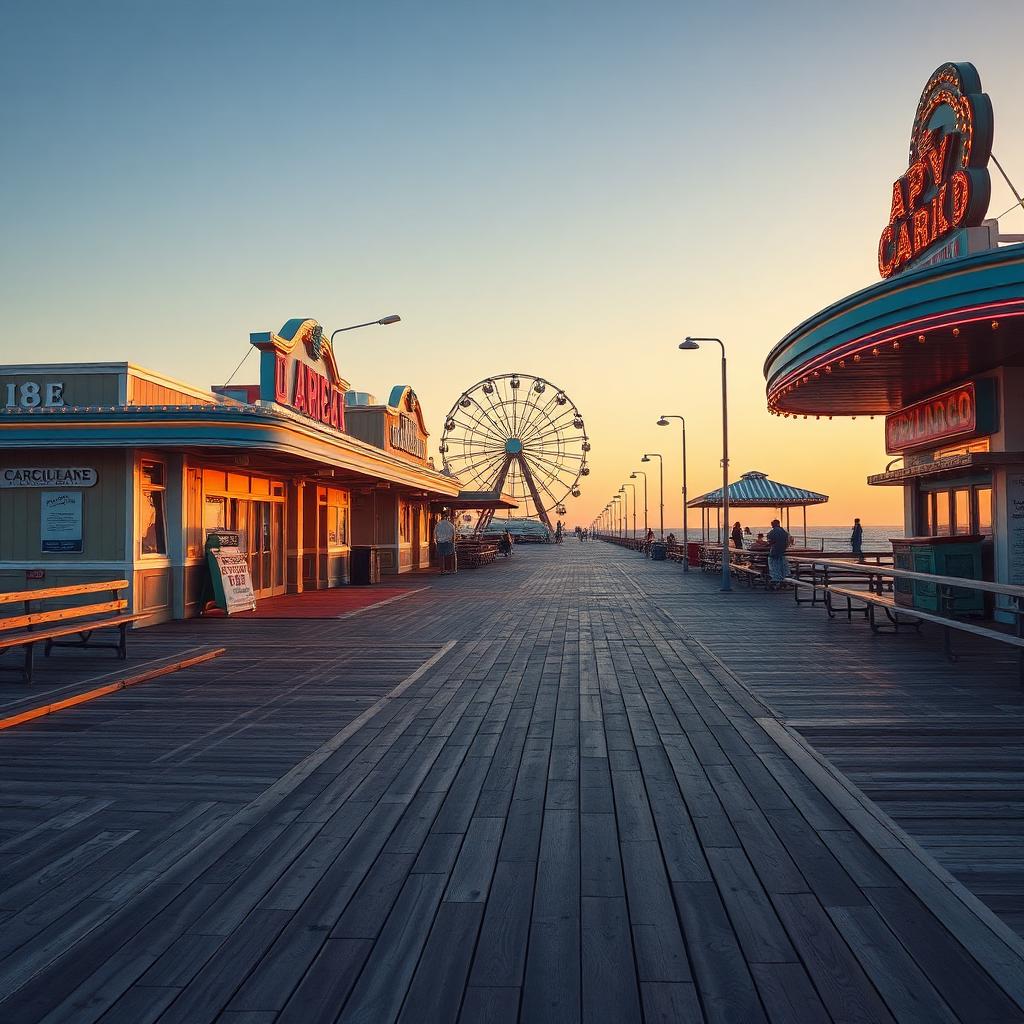
The 1925 charter also formally defined the oceanfront commercial core around Cape Fear Boulevard and the oceanfront, which was already evolving into the bustling seaside boardwalk hub that defined mid-century beach trips for generations of North Carolina families.
Today, you can stand at the corner of Cape Fear Boulevard and Boardwalk and trace those very first municipal steps. The grid established in Winner's early surveys and solidified during that 1925 incorporation still guides the flow of foot traffic, leading visitors straight from the downtown shops toward the ocean surf.