
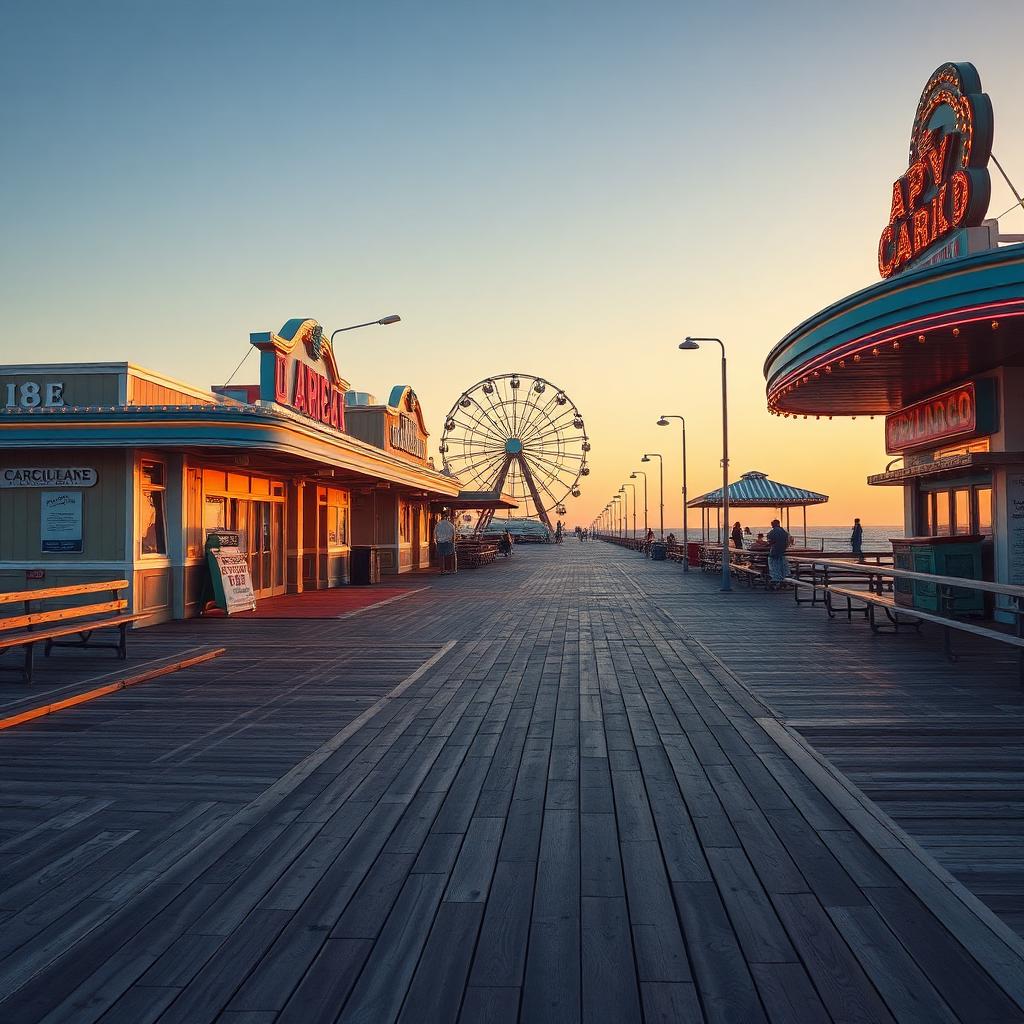
Salt Production Remnants Near The Shoreline
Long before vacationers began hauling colorful umbrellas across the sand, the island’s economy relied on the grueling process of boiling seawater to extract salt. During the 19th century, this industr…
By Shelly Winner, Editor
Long before vacationers began hauling colorful umbrellas across the sand, the island’s economy relied on the grueling process of boiling seawater to extract salt. During the 19th century, this industry was not a luxury but a vital necessity for survival, particularly for preserving food in a climate where refrigeration did not exist.
Today, the landscape near the Atlantic shoreline and the river looks significantly different, but the sites of these old evaporation works remain quiet witnesses to a more industrial past. The process involved massive iron kettles and large pans where water was slowly evaporated to leave behind the mineral wealth of the sea. It was a primary local industry that predates the modern tourism-driven economy of the island.
🏖 Industrial Foundations Under The Sand
The specific locations of these salt works were chosen for their proximity to both the river and the ocean, allowing for a steady supply of saltwater and the wood needed to fuel the fires. Many residents walk their dogs right past these historic production sites without realizing how critical they were to early survival. What looks like a simple coastal path today was once a site of constant smoke and labor.
By our read, these sites represent a layer of history that often gets overshadowed by more famous military landmarks nearby. While the fortifications in the area receive most of the attention, the salt works were the literal lifeblood of the region’s logistics. Without the salt produced here, the ability to store meat and fish would have vanished, effectively stalling the local economy of the 1800s.
The island's early industry was defined by the simple, repetitive act of boiling the sea until only the crystals remained.
🔍 What To Watch For
For residents, this means there is a hidden depth to the daily walks along the southern end of the island. While there are no towering monuments to the salt boilers, the geography itself—the way the land meets the river and the sea—dictated where these operations flourished. It establishes a sense of depth and industry that reminds us the island was a place of work long before it was a place of play.
The bigger picture reveals that our current lifestyle, centered around the boardwalk and seasonal visitors, is actually a relatively new chapter in the island's story. The remnants of the salt works serve as a reminder that the natural resources we use for recreation today were once the raw materials for a demanding and essential trade. Keeping this history in mind adds a layer of appreciation for the ground beneath our feet.
Next time you are out near the river at sunset, take a second to think about the smoke that once rose from the salt pans. What other parts of our local history are hiding in plain sight?