
The Year Carolina Beach Became an Official Town
In 1925, Carolina Beach officially incorporated, trading loose island governance for municipal rules on everything from wandering livestock to boardwalk bathing suits.
By Shelly Winner, Editor
On March 5, 1925, the North Carolina General Assembly officially ratified the charter that transformed Carolina Beach from an informal seaside colony into an incorporated town. For more than four decades prior, ever since Captain Joseph Winner laid out the first street grid and lots in the 1880s, the community had operated without a town hall. Summer visitors arrived via steamship down the Cape Fear River and hopped a narrow-gauge train over to the strand, but local governance remained largely informal.
Incorporation brought municipal order to an oceanfront resort that was rapidly modernizing. The new town government, led by its first mayor, Robert P. LeGwin, took charge just as personal automobiles were beginning to replace riverboats as the primary way folks reached the coast. With cars streaming across the island, the small board of commissioners immediately faced the task of managing a quiet winter settlement that exploded with thousands of vacationers every summer.
The town's earliest ordinances offer a telling snapshot of coastal life in the Roaring Twenties. Commissioners spent their initial sessions addressing the practical realities of a sand-dune village, enacting rules that banned cows and livestock from wandering freely through cottage neighborhoods and placing speed limits on Model Ts navigating the unpaved streets. Decororum mattered, too: early town codes barred visitors from walking along public avenues or into commercial shops while clad only in swimwear, requiring bathers to wear proper cover-ups once they stepped off the sand.
Those initial laws set the stage for municipal improvements that followed over the decade, including organized trash collection, public water lines, and formal oversight of the oceanfront boardwalk. Incorporating allowed the community to retain its distinct resort identity while funding the basic infrastructure needed to survive devastating seasonal storms and summer tourist crowds.
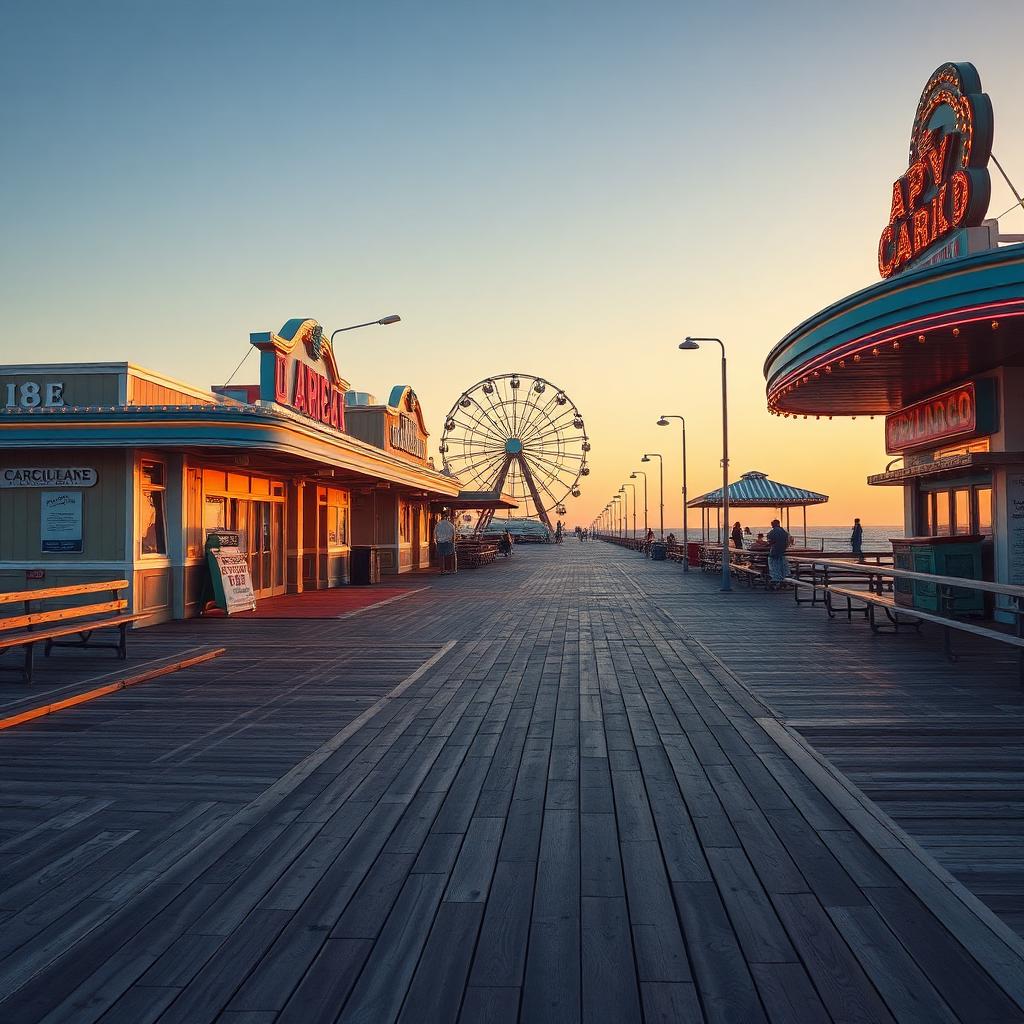
Today, you can still walk through the historic footprint laid out by those 1925 founders. Head down to where Cape Fear Boulevard terminates at the Carolina Beach Boardwalk; you are standing in the very commercial district those first commissioners sought to protect and shape almost a century ago.