Understanding the CAMA Land Use Plan and Carolina Beach's Future
Learn how Carolina Beach's state-required CAMA Land Use Plan guides coastal development, how updates take place, and how residents can participate in shaping the island's future.
By Shelly Winner, Editor
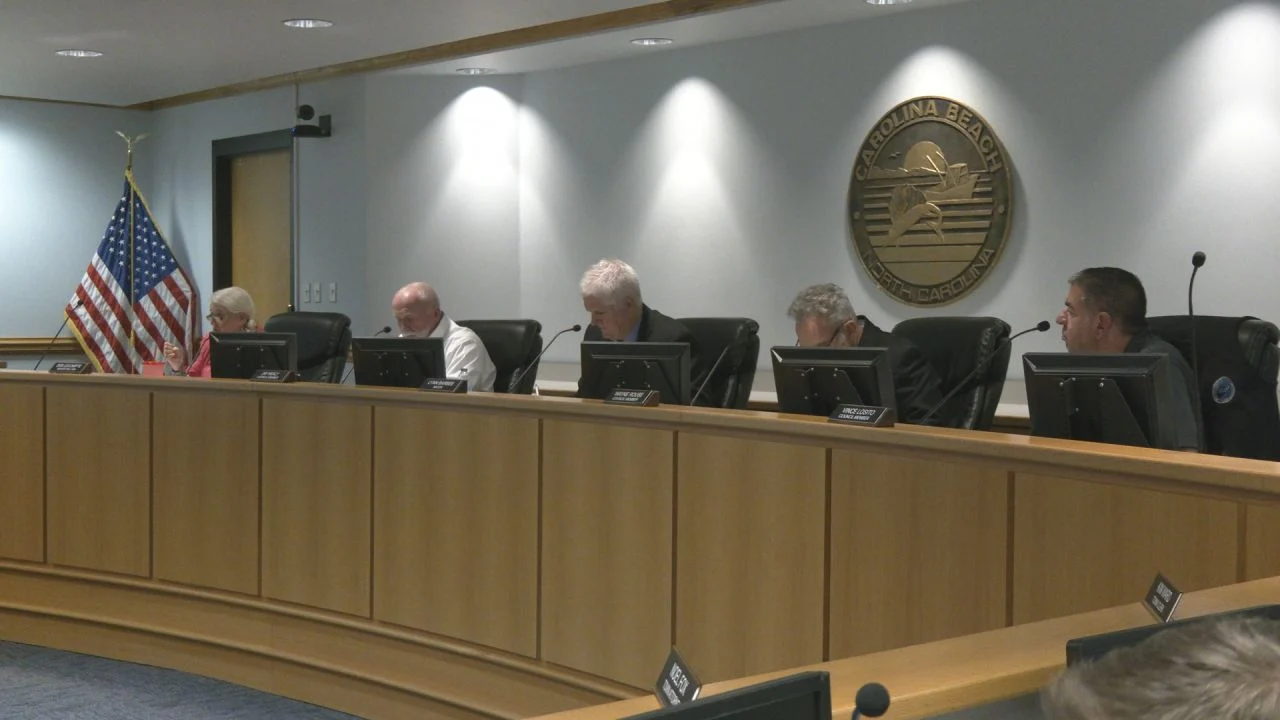
Carolina Beach operates under a Council-Manager form of government, where an elected Town Council sets policy and vision for the community, while an appointed Town Manager oversees day-to-day operations and town staff. One of the most important policy roadmaps the Council relies on is the town's Coastal Area Management Act (CAMA) Land Use Plan. Under North Carolina state law, coastal municipalities must adopt and maintain this certified plan to guide long-term growth and environmental protection.
At its core, the CAMA Land Use Plan governs where, what, and how development happens on the island. It establishes local policies regarding public beach access, stormwater management, hazard mitigation, natural resource conservation, and compatible zoning. When town officials or developers propose changes to local ordinances, zoning districts, or infrastructure investments, those decisions must generally align with the vision laid out in this governing document.
Updating the plan is a structured, multi-step process that occurs periodically to reflect changing community needs. Town staff and professional planning consultants work alongside advisory bodies, such as the Planning and Zoning Commission, to assess current trends, environmental conditions, and population shifts. Draft revisions must not only meet the town's goals but also undergo review and formal certification by the North Carolina Coastal Resources Commission (CRC) to ensure compliance with state coastal management rules.
Resident participation is a fundamental requirement of the CAMA planning process, not an afterthought. During updates, the town hosts public workshops, distributes community surveys, and holds formal public hearings before both advisory boards and the Town Council. These touchpoints offer property owners, business operators, and residents direct opportunities to share what they value most about Carolina Beach—from preserving open space to managing redevelopment.
Because land use planning directly shapes our community's character and resilience, staying engaged is one of the best ways to help guide Carolina Beach's future. For the most current details on planning meetings, draft documents, and upcoming public hearings, visit the official Town of Carolina Beach website at https://www.carolinabeach.org.