
Walking Across The Footprints Of The Wooden Boardwalk
Concrete walkways now define the path along the oceanfront, but the original layout of the Carolina Beach boardwalk was built on a foundation of elevated timber and salt-weathered wood. This transitio…
By Shelly Winner, Editor
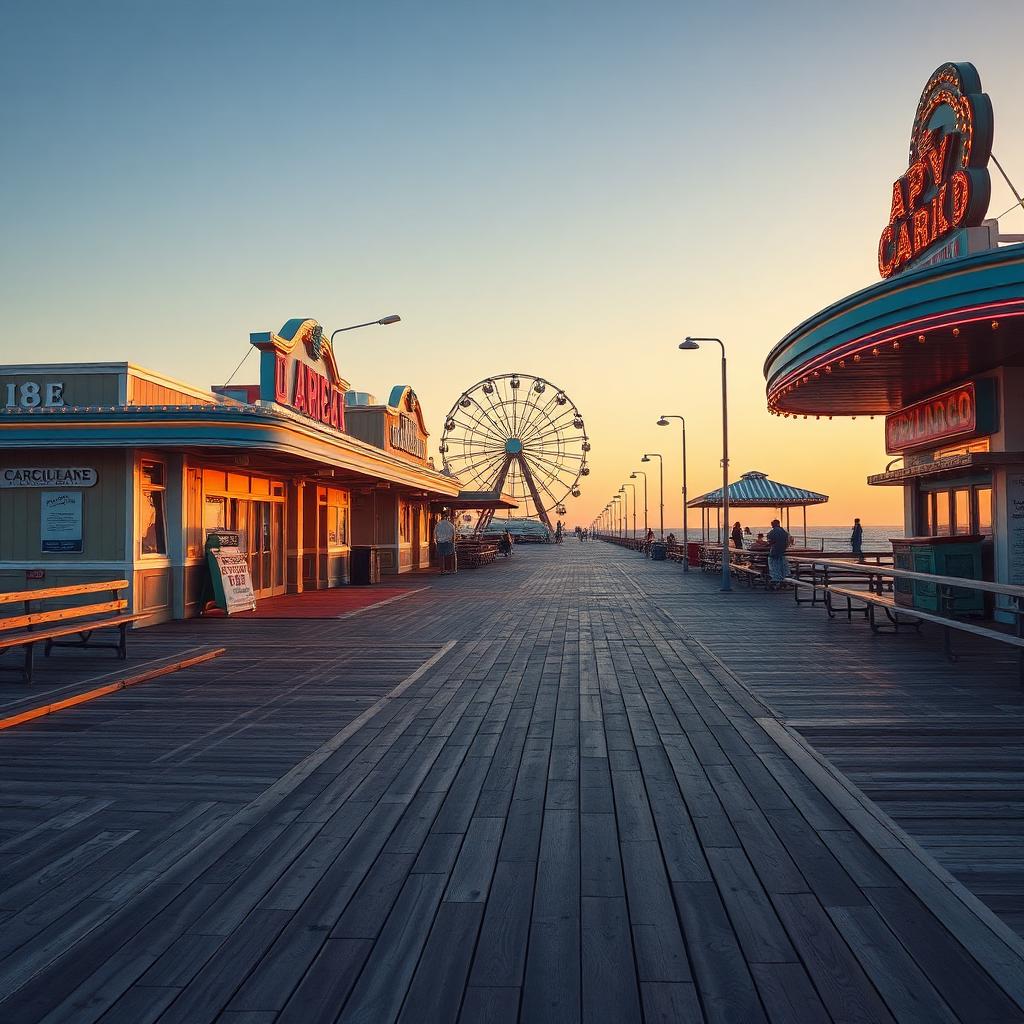
Concrete walkways now define the path along the oceanfront, but the original layout of the Carolina Beach boardwalk was built on a foundation of elevated timber and salt-weathered wood. This transition from early wooden structures to the modern hybrid of concrete and wood represents a significant shift in how the island greets the Atlantic. While the current benches and storefronts offer a contemporary experience, they sit directly atop the sites of grand open-air pavilions and winding walkways that once served as the premier destination on the East Coast.
🚧 From Timber To Concrete
The evolution of the boardwalk area reflects a broader change in coastal engineering and urban planning. In its earliest iterations, the walkway was entirely wooden, creating a rhythmic hollow sound under the feet of visitors as they moved between the shore and the attractions. According to historical research notes, these structures were eventually replaced by the more durable concrete and wood hybrid that stands today.
For long-time residents, this shift wasn't just about construction materials; it altered the very atmosphere of the waterfront. The old wooden planks required constant maintenance against the salt air and tides, leading to the phased-in approach of using concrete for the main thoroughfares while retaining wooden elements for the aesthetic and feel of a traditional beach promenade.
🎢 Visualizing The Lost Pavilions
It can be difficult to imagine the sheer scale of the open-air pavilions that once dominated the landscape where modern shops now sit. These massive structures were the heartbeat of the island, providing shade and community space long before the current storefronts were built. By our read of the historical layout, these pavilions acted as central hubs for social gatherings, serving as a primary reason Carolina Beach became a regional leader in tourism.
When you stand near the modern benches today, you are essentially occupying the same footprint where thousands once gathered to watch the ocean from elevated wooden decks. The transition to the current layout maximized commercial space but preserved the essential flow of the original design, ensuring that the vibrancy of the past remained connected to the modern visitor experience.
🌊 Why The Roots Still Matter
For visitors, understanding these hidden footprints adds a layer of depth to a standard afternoon stroll. The boardwalk isn't just a place to grab a snack or a souvenir; it is a living map of a century-old destination. The choice to maintain a hybrid structure today is a deliberate nod to those wooden roots, balancing the need for modern durability with the nostalgia of the East Coast’s golden age of travel.
Watching the current crowds move between the beach and the buildings, it is clear that the intentional design of the original developers still dictates the energy of the island. The pavilions may be gone, but the spirit of a shared, elevated view of the horizon remains the anchor of the boardwalk area.
That’s Carolina Beach. Beautiful, chaotic, and somehow still worth it.