
Wartime Industry and Coastal Growth
Discover how the bustling shipyards of Wilmington during WWII, particularly the construction of the USS North Carolina, created a ripple effect that fueled growth and development in nearby Carolina Beach.
By Shelly Winner, Editor
When the keel for the USS North Carolina was laid in 1937 at the New York Naval Shipyard, few could have predicted the profound impact of naval shipbuilding on a small coastal community hours south. Yet, as World War II intensified, the demand for ships transformed Wilmington, North Carolina, into a bustling hub of industry, indirectly shaping the future of Pleasure Island.
The North Carolina Shipbuilding Company, established in Wilmington in 1941, became a cornerstone of the war effort. This massive facility, stretching along the Cape Fear River, employed tens of thousands of workers, many of whom migrated to the area seeking opportunity. These shipyards were churning out Liberty ships and other vital vessels at an astonishing rate, contributing significantly to the Allied cause.
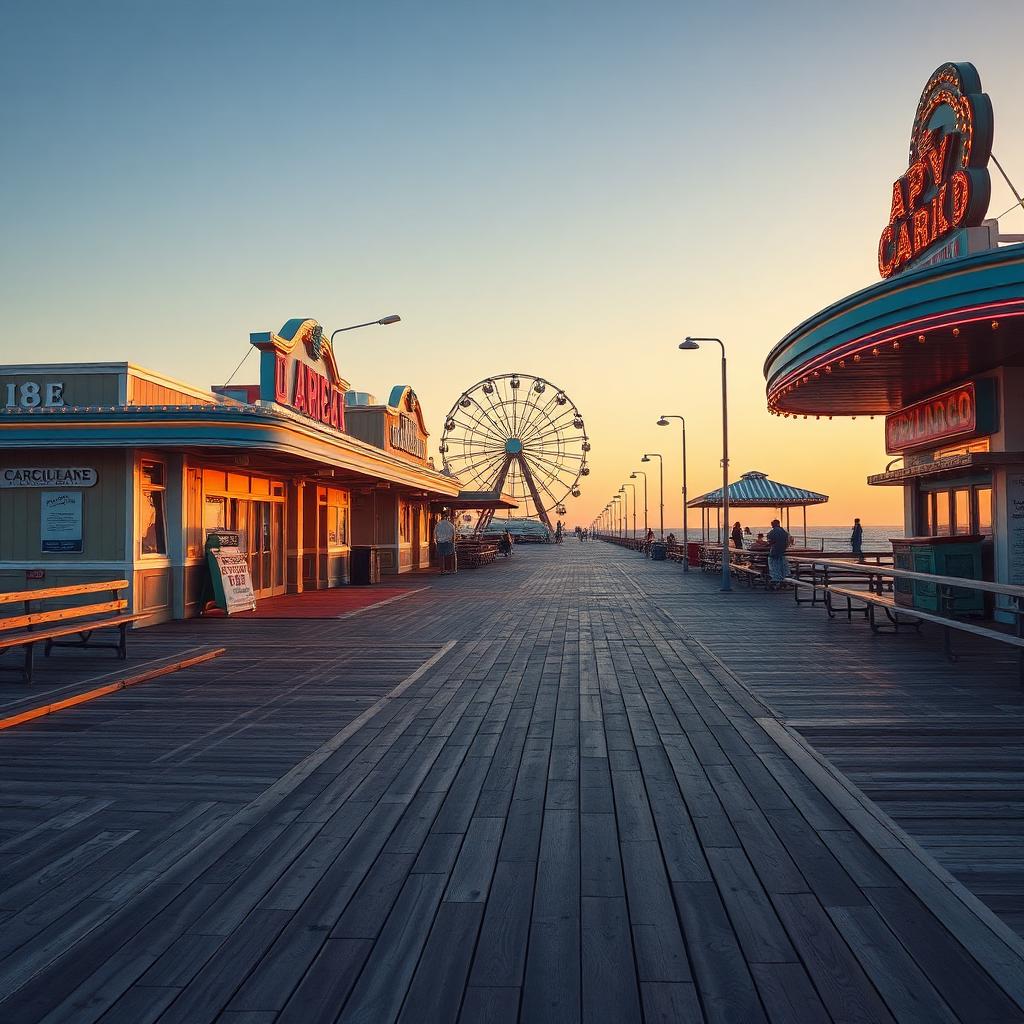
As Wilmington swelled with war workers, the need for housing, recreation, and services extended to surrounding areas. Carolina Beach, with its existing infrastructure as a nascent resort town, became an attractive option. Many shipyard workers and their families sought respite and entertainment on Pleasure Island, leading to increased demand for accommodations, restaurants, and entertainment venues.
This influx of people and capital during the early to mid-1940s provided a significant economic boost to Carolina Beach. The wartime boom helped solidify the town's identity and infrastructure, paving the way for its post-war growth as a popular vacation destination. It was a period that laid much of the groundwork for the Carolina Beach we know today.
Today, while the shipyards of Wilmington are long gone, their legacy can still be felt. A short drive across the bridge to Wilmington will bring you to the USS North Carolina Battleship Memorial, a tangible reminder of the state's pivotal role in naval history and the industrial might that once propelled communities like Carolina Beach forward.