
Wartime Industry and Pleasure Island’s Post-War Growth
The roar of industry in Wilmington during World War II had a profound impact on the development of Carolina Beach, transforming a quiet seaside village into a bustling resort town.
By Shelly Winner, Editor
When the keel of the USS North Carolina was laid in 1937, it marked the beginning of a new era for shipbuilding in Wilmington. This era accelerated dramatically with the outbreak of World War II, as the North Carolina Shipbuilding Company, established in 1941, became a vital contributor to the war effort. Thousands of workers flocked to the area, many of them finding homes in the burgeoning communities along Pleasure Island.
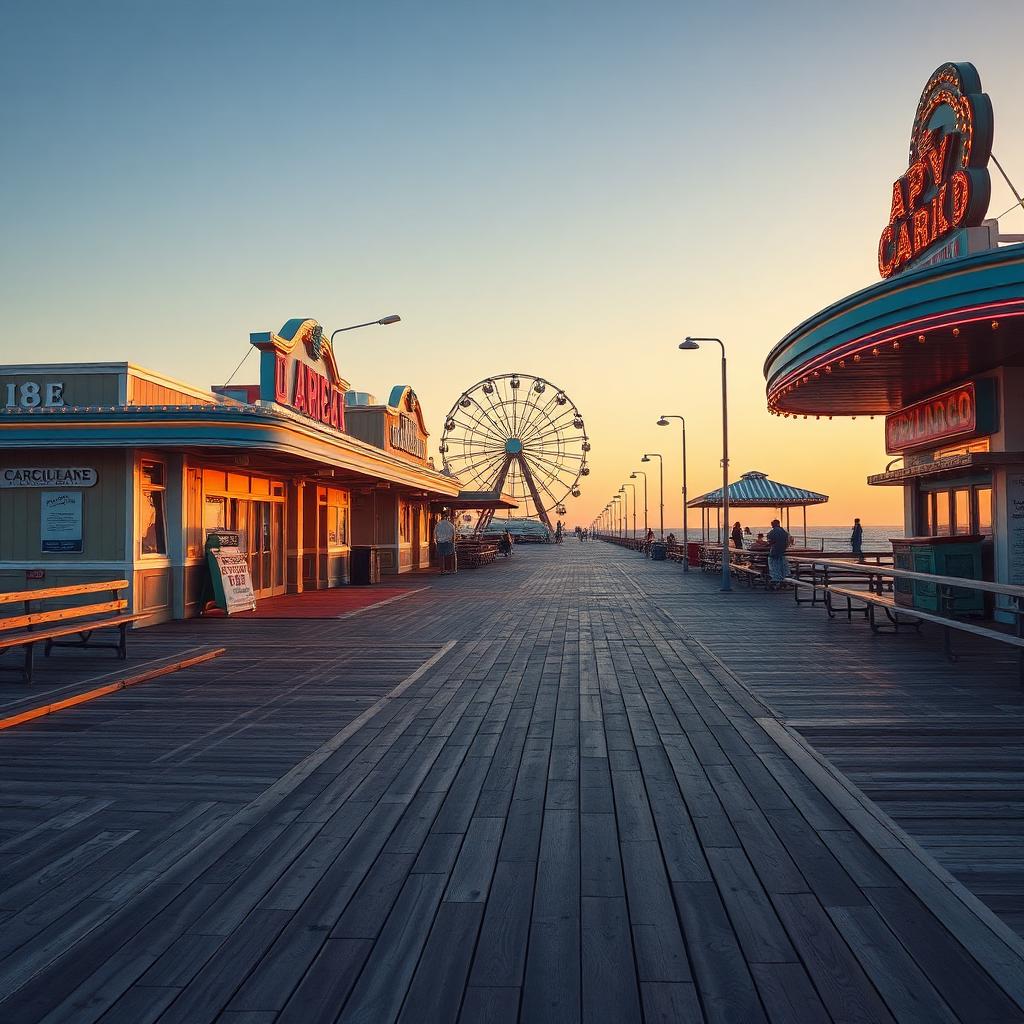
Carolina Beach, in particular, experienced significant growth during this period. The influx of workers and their families created a demand for housing, services, and entertainment. Businesses thrived, and the town expanded to accommodate its new residents. The construction of victory ships and other vessels at the Wilmington shipyards continued throughout the war, providing steady employment and a vibrant economy to the region.
As the war concluded, many of these workers, having established roots in the area, chose to remain. This sustained population growth contributed to the continued development of Carolina Beach as a popular tourist destination. The infrastructure built during the war years, along with the renewed focus on leisure and recreation, helped to shape the town we know today.
A tangible reminder of this era can still be found today. The USS North Carolina, commissioned in 1941 and a veteran of numerous World War II campaigns, is now a prominent landmark on the Cape Fear River in Wilmington, a short drive from Carolina Beach. Its presence serves as a testament to the industrial might that helped transform this coastal community.