
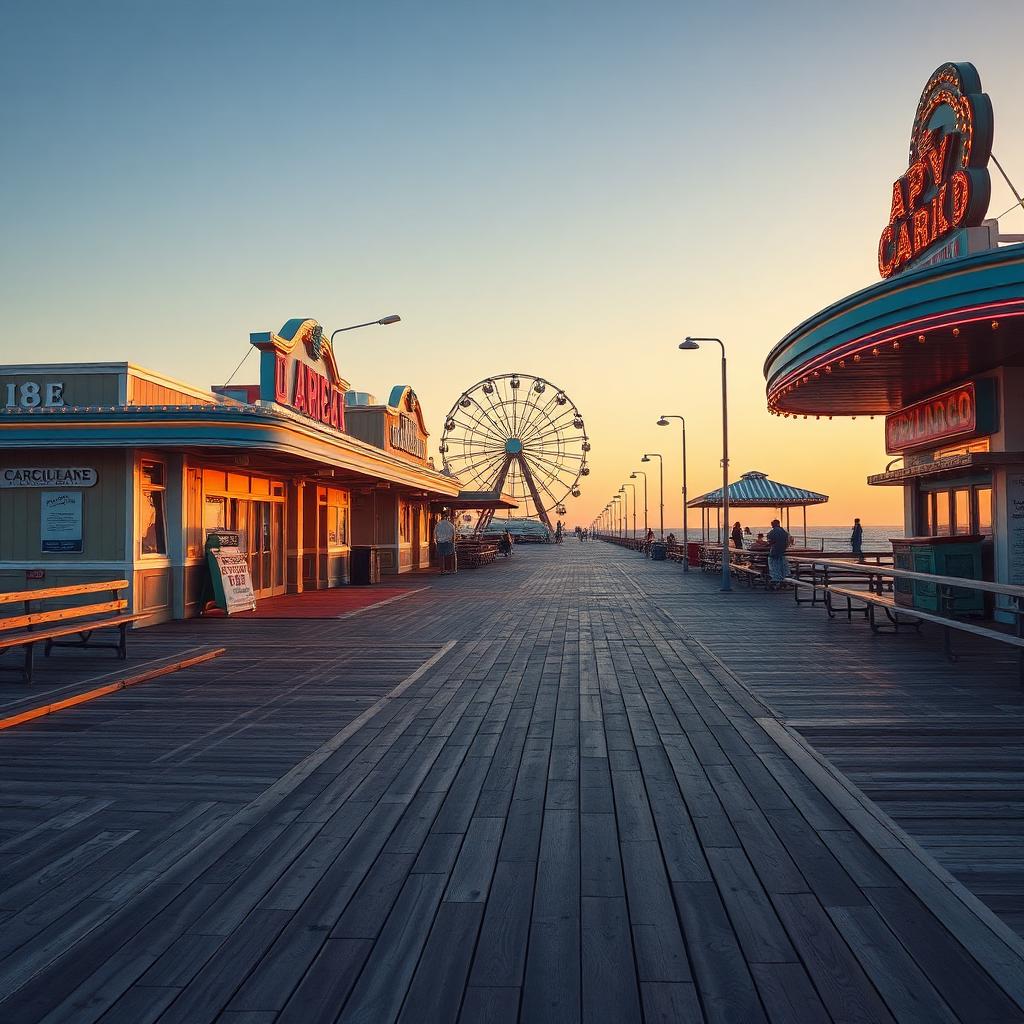
Wartime Work and Carolina Beach’s Growth
The bustling shipyards of World War II in nearby Wilmington had a significant impact on the development of Carolina Beach, drawing workers and their families to the coast.
By Shelly Winner, Editor
In 1941, the keel of the USS North Carolina, the first of the U.S. Navy's fast battleships, was laid, signaling the beginning of a massive shipbuilding effort in Wilmington. The North Carolina Shipbuilding Company, established that same year on the Cape Fear River, became a vital hub, constructing 243 merchant ships during World War II.
Thousands of men and women flocked to the Wilmington area for these high-paying shipyard jobs. This influx of workers created a housing boom, and many looked to the nearby coastal towns for places to live and recreate. Carolina Beach, with its existing infrastructure as a resort community, became an attractive option.
The demand for housing and services spurred rapid development in Carolina Beach during the war years and immediately afterward. Roads were improved, new businesses opened, and the town saw a significant increase in its permanent population, laying the groundwork for its post-war expansion as a popular vacation destination.
Even after the war, many of these shipyard workers and their families chose to remain in the area, contributing to the continued growth and character of Carolina Beach. The economic vitality brought by the shipbuilding industry helped cement the town's place as a thriving community on Pleasure Island.
Today, while the shipyards are gone, the legacy of that era can still be felt. Visitors to Pleasure Island can stand on the shores of Carolina Beach, imagining the bustling energy that once connected this quiet coastal town to the monumental wartime efforts just a few miles upriver, or visit the USS North Carolina Battleship Memorial in Wilmington, a tangible reminder of the ships built in the region.